

Poecilotheria metallica
Price range: £40.00 through £320.00
Spends most of its time lurking in high-rise silk tunnels, only to bolt up the nearest surface the moment it suspects you’ve come to tidy up its mess.
Tell me when it is available
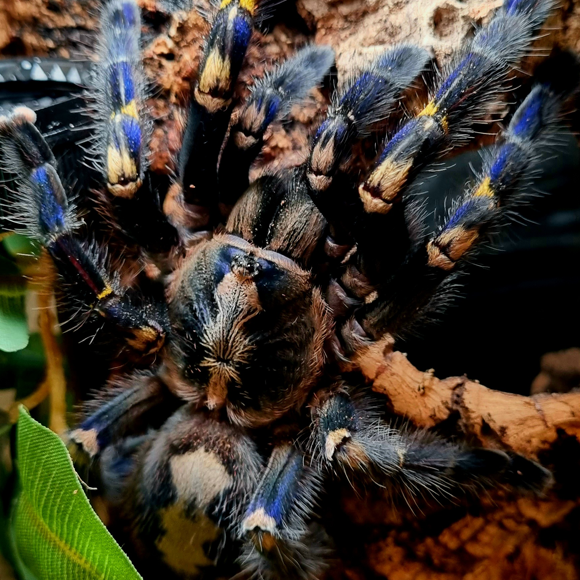
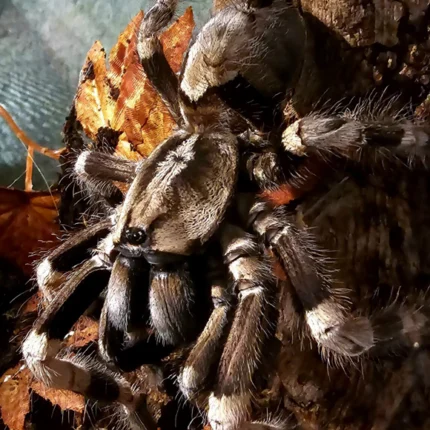
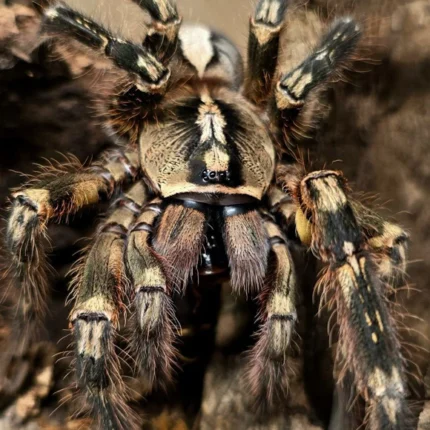
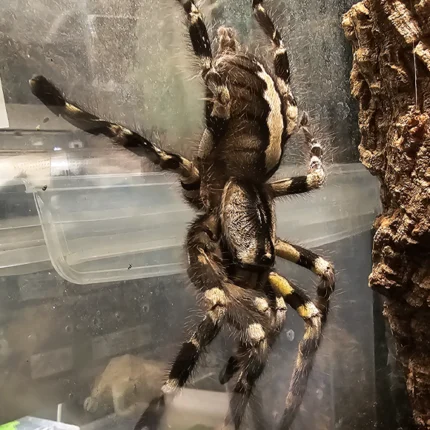
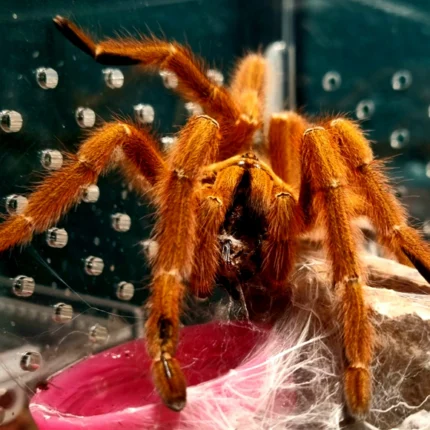
Poecilotheria metallica, known in the hobby as the Gooty Sapphire Ornamental, is an arboreal species hailing from Southeast India. They’re famed for their electric blue hues, which do rather stand out amongst the bark and cork tubes they’re so fond of webbing up. While you won’t catch them burrowing, you may well spot them upside-down, redecorating their tube web or vanishing up the glass when you least expect it—Pokie reflexes should never be underestimated.
Adults usually reach a leg span of 15–20 cm, and females, as usual, get all the longevity—think a decade or more, while males play a much shorter game. Growth is moderate to quick, especially if you’re generous with the feeders and keep them warm, but don’t pack away your patience during sling years. Mind the enclosure temperature, aiming for 22–26°C, and keep humidity moderate—65–75% RH will do it. Good cross-ventilation is essential; stuffy air leads to drama nobody wants.
P. metallica is, in classic Pokie fashion, more likely to dash than to defend, though they’ll rear up and flash the hardware if pressed. No urticating hairs on show here, so threat postures provide most of the excitement. They generally remain visible—especially in a well-set-up tall enclosure with vertical hides and webbing anchors. Expect glimpses of blue legs at dawn or dusk, or during a bold feeding response.
Feeding is straightforward: slings appreciate twice-weekly micro-crickets, juveniles and adults are satisfied with a single medium prey item every 7–14 days. Remove leftovers promptly, and no need to overfeed even though they’ll likely take everything offered. Enclosure-wise, go tall rather than wide, with lots of vertical surfaces and a secure lid. Cross-drilled ventilation trumps soggy substrate every time. They’re not for absolute beginners—speed and the classic ‘upwards and away’ Pokie manoeuvre keep experienced keepers sharp, which is half the appeal. If you’ve space for something a little flashier in your arboreal rack, you could do a lot worse than P. metallica—just don’t blink during enclosure maintenance.
Only logged in customers who have purchased this product may leave a review.
UK Market Insight
Neutral UK availability and pricing context for this exact Species record.
Species care guide
Poecilotheria metallica
Adult Size
15–18 cm diagonal leg span
Temperature
22–26°C
Humidity
65–75% RH
Temperament
Despite their good looks, Poecilotheria metallica are not known for their gentle cuddles! They tend to be reclusive but extremely quick, generally preferring flight over fight. If startled, they can teleport across the enclosure before you’ve blinked. While they rarely display threat postures unprovoked, their speed and potent venom mean that all maintenance should be done with caution. As a keeper, expect surprise sprints and occasional intimidation tactics—but also, plenty of fascinating behaviour once they settle back into their webby hideout.
Defence
Poecilotheria metallica’s main defence is their blinding speed. Unlike their New World cousins, they lack urticating hairs, so if threatened they rely on their legendary sprinting skills or, if pushed, a defensive bite. Their venom is medically significant, with bites capable of causing a memorable day (though serious effects are rare with sensible husbandry). As always: respect their space, use long tools for maintenance, and never put your fingers anywhere you wouldn’t put your face (which, frankly, should be nowhere near her!).
Visibility
You’ll see your P. metallica most around dusk and dawn. They love to lurk in their web-tubes by day, but often venture out under low light to stretch their legs or wait for passing crickets. With clever enclosure design (and maybe a strategically placed hide), you can encourage them to sit in plain view. While not the boldest showcase tarantula, that flash of electric blue when they do make an appearance will be the highlight of any spider room. Just don’t expect them to pose for selfies!
Experience Level
This species is best suited for intermediate to advanced keepers. Their speed, climbing prowess, and skittishness mean they’re not ideal for newcomers. If you’ve cut your teeth on less demanding arboreal or terrestrial species, you’ll appreciate the challenge and reward of keeping a Gooty Sapphire. Beginners can certainly aspire to keeping one, but should consider gaining experience with more forgiving species first so everyone—spider included—can remain happy and stress-free.
Webbing
Poecilotheria metallica isn’t a heavy webber like some terrestrial species, but still produces enough to create striking silken retreats in cork bark tubes, behind hides, and sometimes as aerial hammocks. Their webbing serves as both a security system and a comfortable lounge, allowing the spider to judge when it’s safe to emerge or if dinner has arrived. Web structure also gives you clues about their wellbeing – a busy webber is a happy spider. Expect delicate, architectural designs rather than dense ‘spider blankets’.
Feeding
Young slings should be fed pinhead crickets or fruit flies 2–3 times a week. Juveniles move up to small crickets, roaches, or locusts once or twice weekly, and adults thrive on appropriately sized crickets, dubia roaches, or the odd locust every 7–10 days. Watch for uneaten prey—never leave live food in during pre-moult, as this can stress or injure your spider. This species usually has a healthy feeding response; you’ll know feeding time by the speed and enthusiasm of their attack. Overfeeding is tempting, but keepers should avoid bulking up their metallica too quickly, as this can shorten lifespan and cause moulting issues. As always, provide fresh water and remove uneaten food after 24 hours.
Enclosure Recommendations
Go for a tall, well-ventilated enclosure—think 30–45 cm tall for adults, with more height than floor space. Cross-ventilation is vital to prevent stale conditions. Offer a thick layer (5–7 cm) of coco fibre or soil-based substrate to help regulate humidity, though don’t expect much digging. Provide upright cork bark tubes or plastic pipes as main hides; horizontal logs are less appealing for this tree-dweller. A secure lid is a must—these beauties are escape artists on a mission. Add a shallow water dish and some fake foliage for seclusion and climbing, and you’ve made a 5-star spider treehouse. Clean regularly and avoid unnecessary disturbance for a stress-free, dazzling display.
Final Thoughts
Poecilotheria metallica is the jewel in any serious tarantula keeper’s crown—bold, beautiful, and oozing with ‘wow’ factor. Their cunning use of web retreats, speedy dashes, and sporadic appearances make them fascinating (if sometimes exasperating) inhabitants. They do present a challenge: skittish, lightning-fast, and not at all cuddly, but those prepared will find their quirks hugely rewarding. Not for beginners or the faint of heart, they reward cautious, attentive keepers with dazzling displays of blue and personality to match. Whether admiring them behind glass or marvelling at a fresh moult, this species is a true showstopper—just mind your fingers and enjoy the view!
Species-specific FAQs are not available yet.
Related products

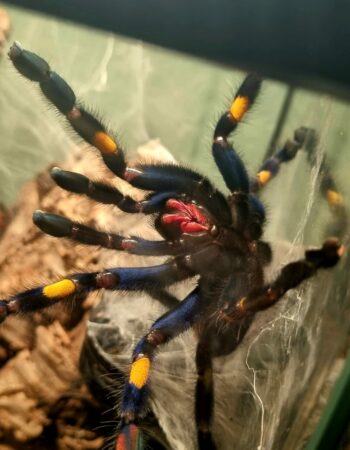
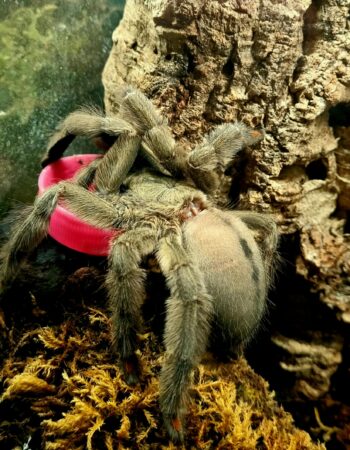
Phormingochilus hatihati
Phormingochilus hatihati is the definition of 'stunning but sassy'. Not only are they visually striking, with metallic sheens and elegant build, but they’re endlessly fascinating to observe—when they grace you with their presence. They’re not the easiest in the hobby, but their bold webbing, feeding…

Reviews
There are no reviews yet.