

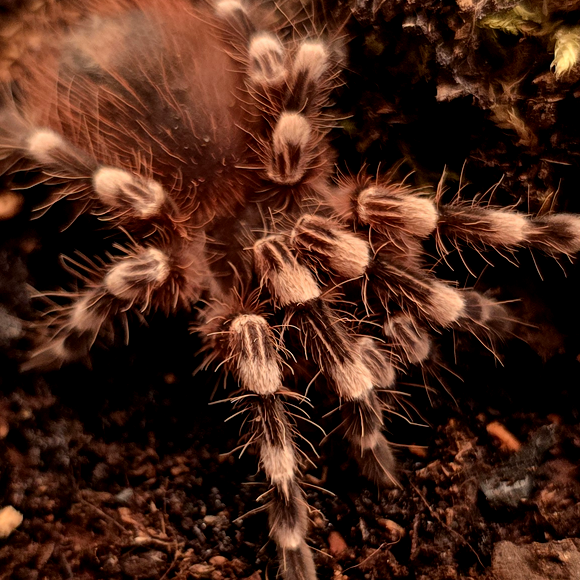
Acanthoscurria geniculata (Brazilian White Knee) 5cm
£30.00
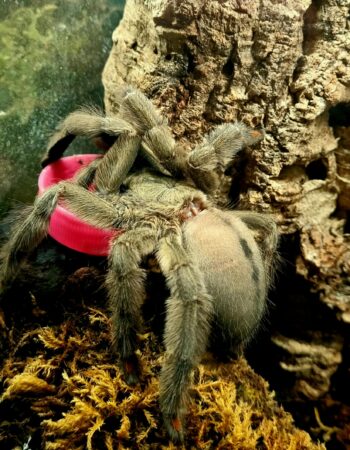
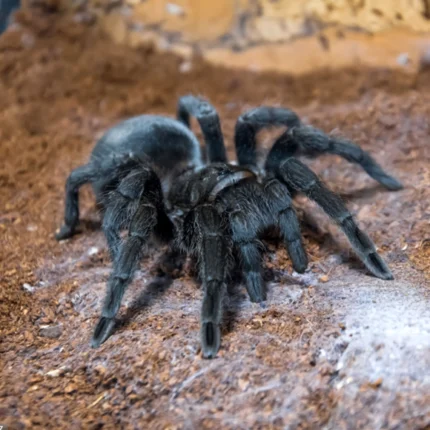
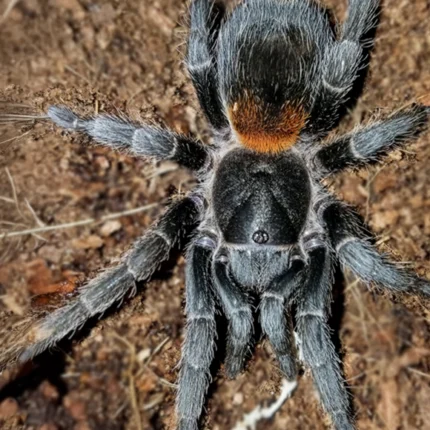
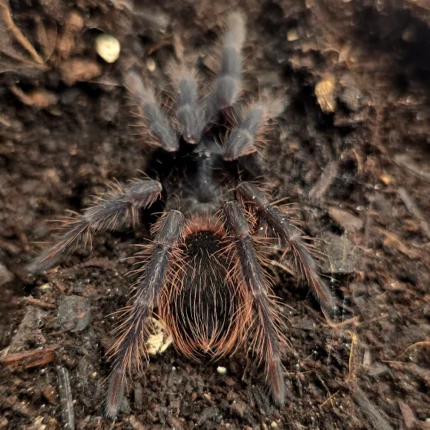
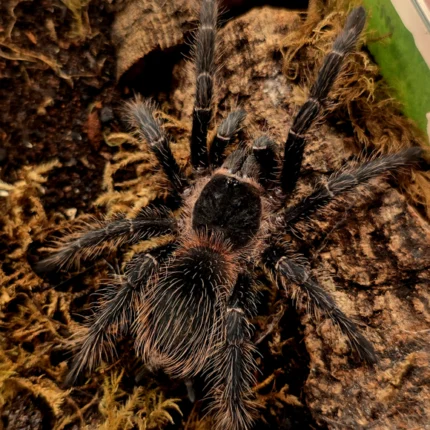
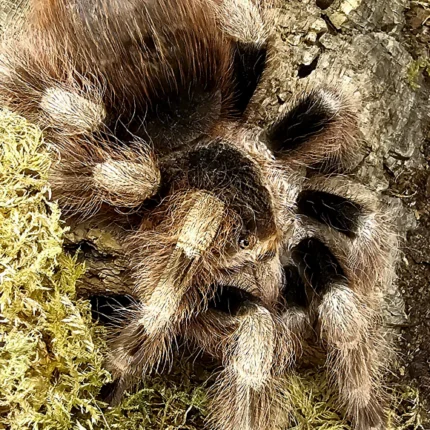
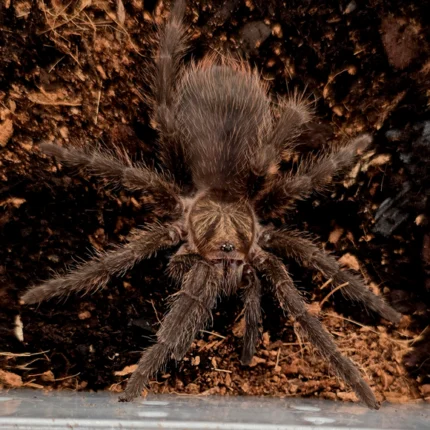
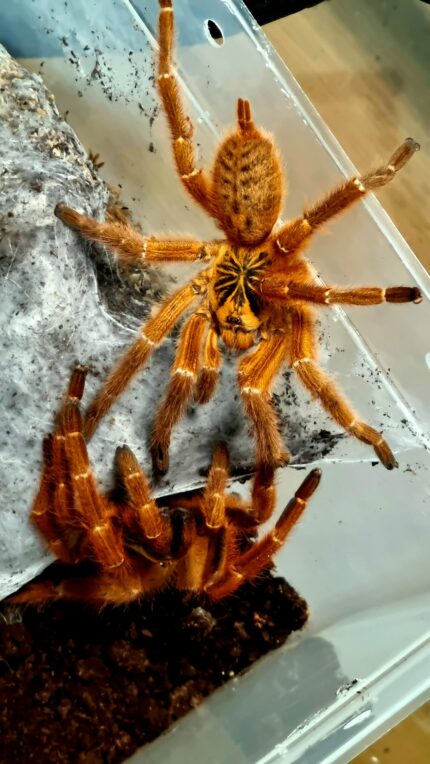
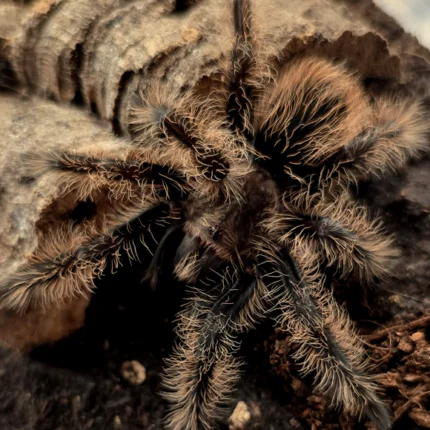
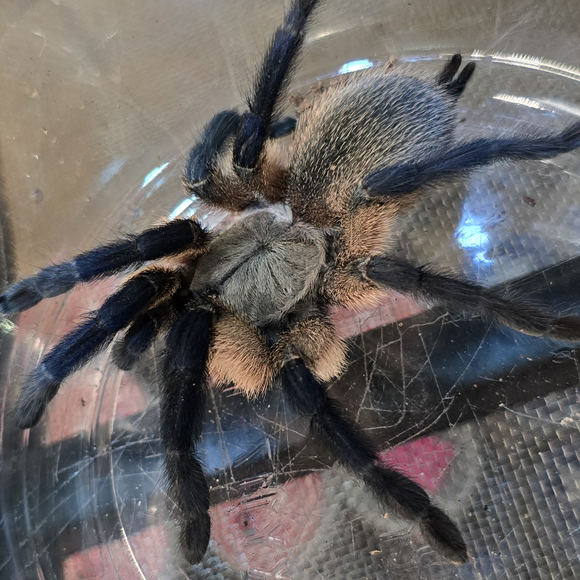
Acanthoscurria geniculata is a large, bold New World tarantula famous for dramatic feeding responses and striking dark red-and-white leg markings.
| Weight | 100 g |
|---|---|
| Dimensions | 5 × 5 × 5 cm |
| Size | 5cm |
| Sex: | Unsexed |
| Life Stage | Small Juvenile |
| Temp. | 24–28°C |
| Humidity | 70-80% |
| Geography | Brazil |
| Modus vivendi | Terrestrial |
Out of stock
Acanthoscurria geniculata is basically a fluffy vacuum cleaner with legs and absolutely no self-control around food. It charges at prey like it hasn’t eaten in years, throws dirt everywhere during redecorating sessions, and somehow manages to look fancy while causing total enclosure chaos. Big, hungry, and wonderfully dramatic, it’s impossible not to love.
Only logged in customers who have purchased this product may leave a review.
| Adult Size | 20–23 cm leg span |
|---|---|
| Growth Rate | Fast. This species is known for... |
| Temperature | 24–28°C. |
| Humidity | 70–80%. |
| Experience Level | Beginner to Intermediate. The husbandry requirements... |
Origin
Northern Brazil, particularly the states of Pará and Maranhão within the Amazon Basin. This species inhabits tropical rainforest environments where it experiences warm temperatures, seasonal rainfall and a humid climate. In the wild, it is typically found living in burrows, beneath fallen logs or amongst leaf litter on the forest floor.
Lifestyle
Terrestrial. Acanthoscurria geniculata is a large, ground-dwelling species that spends most of its time on or near the substrate, occasionally making use of shallow burrows or natural retreats.
Maintain moderate to high humidity through slightly moist substrate while ensuring excellent ventilation to prevent stagnant conditions.
Adult Size
20–23 cm leg span
Lifespan
Females typically live between 15–20 years, while males generally live 4–6 years and usually survive only 1–2 years after reaching maturity. Mature males develop longer, slimmer legs and a noticeably lighter, more slender build compared to females. Adult females are significantly heavier-bodied, more robust and generally display more impressive overall size.
Growth Rate
Fast. This species is known for rapid growth when provided with appropriate temperatures and regular feeding, often reaching impressive sizes within a relatively short period compared to many other tarantula species.
Temperature
24–28°C.
Humidity
70–80%.
Temperament
Acanthoscurria geniculata is often regarded as one of the more confident and food-motivated New World tarantulas. Individuals are frequently observed sitting in the open and tend to be active when conditions are favourable, making them an excellent display species. Their bold nature means they are often visible during both day and night.
While generally considered manageable, they should not be mistaken for a docile species. Large specimens can be surprisingly fast over short distances and may become defensive when disturbed. Most individuals prefer to stand their ground rather than retreat immediately, particularly around feeding time. Their combination of size, speed and confidence means they are often best appreciated by keepers with some experience, although many dedicated beginners successfully keep them with proper research.
Defence
Like many New World tarantulas, this species possesses urticating hairs on the abdomen and readily uses them as a primary defence mechanism. Disturbed specimens may vigorously kick hairs, which can cause significant irritation to skin, eyes and respiratory passages. For many individuals, this is the preferred response before escalating further.
If sufficiently threatened, Acanthoscurria geniculata may adopt an impressive threat posture by raising the front legs and displaying the fangs. Due to its large size and powerful build, bites, while uncommon, should be treated seriously. Most specimens will often stand their ground rather than retreat quickly, which contributes to their reputation as a bold and confident species.
Visibility
High. This is one of the most visible large terrestrial tarantulas in the hobby. Individuals frequently remain out in the open, particularly near the entrance of a hide or feeding area. Their confidence and strong feeding response make them excellent display animals for keepers who enjoy observing natural behaviours.
Experience Level
Beginner to Intermediate. The husbandry requirements are straightforward and forgiving, making the species suitable for well-prepared beginners. However, its large adult size, powerful feeding response, urticating hairs and occasionally defensive nature mean that some basic tarantula experience can be beneficial.
Webbing
Light to moderate. This species does not create extensive web structures but will often lay sheets of webbing around its hide, feeding area and enclosure furnishings. Webbing is typically functional rather than decorative and may become more extensive as the spider establishes its territory.
Feeding
Slings are enthusiastic feeders and generally accept appropriately sized prey such as hatchling locusts, micro crickets or small roaches. Feeding once or twice weekly is usually sufficient, with prey items being no larger than the spider's abdomen. Young specimens often display rapid growth when maintained on a consistent feeding schedule.
Juveniles readily consume medium-sized crickets, locusts, roaches and other suitable feeder insects. Feeding every 5–7 days typically supports healthy growth without encouraging excessive weight gain. This species is known for a vigorous feeding response and will often react immediately to movement within the enclosure.
Adults possess a formidable appetite and can be offered appropriately sized locusts, roaches, crickets or similar feeders every 7–14 days depending on body condition. Their feeding strikes are often explosive and highly entertaining to observe. Refusal of food can indicate an upcoming moult, and prey should never be left unattended with a vulnerable moulting specimen.
Enclosure Recommendations
A well-ventilated terrestrial enclosure with a generous floor area is ideal. Height should be kept moderate to reduce the risk of injury from falls, particularly for large adult females. Deep substrate is recommended, allowing for natural digging behaviour even though many specimens spend much of their time in the open.
Provide 10–15 cm of moisture-retentive substrate for adults, along with a cork bark hide or similar retreat. The substrate should remain slightly moist in part of the enclosure while allowing drier areas to exist. This creates a natural moisture gradient and gives the spider the opportunity to choose its preferred conditions.
Good cross-ventilation is essential to prevent stagnant conditions. A large water dish should always be available, and enclosure furnishings can be kept relatively simple. While anchor points are not essential, pieces of cork bark, leaf litter and natural décor help create a more secure and naturalistic environment.
Final Thoughts
Acanthoscurria geniculata has earned its place as one of the most popular large terrestrial tarantulas in the hobby. Its striking black-and-white coloration, impressive adult size and confident personality make it a species that consistently attracts attention in any collection.
The combination of strong feeding responses, high visibility and relatively straightforward husbandry provides an engaging keeping experience. Unlike many tarantulas that spend extended periods hidden away, this species often rewards its keeper with regular opportunities for observation.
For enthusiasts seeking a large, impressive display tarantula with plenty of character, Acanthoscurria geniculata is an outstanding choice. Its bold appearance and captivating behaviour ensure it remains a favourite among hobbyists and a fantastic addition to any well-planned collection.
Disclaimer
Husbandry recommendations can vary between individual specimens and keepers. Always monitor your tarantula's behaviour and condition, and adjust care, feeding and environmental parameters as necessary to meet the needs of the individual animal.

Reviews
There are no reviews yet.