

Species Care Guide
Psalmopoeus victori
Mexican half and half
Also known as: Half and Half Tarantula
Last updated: July 7, 2026
Buy this species
Origin
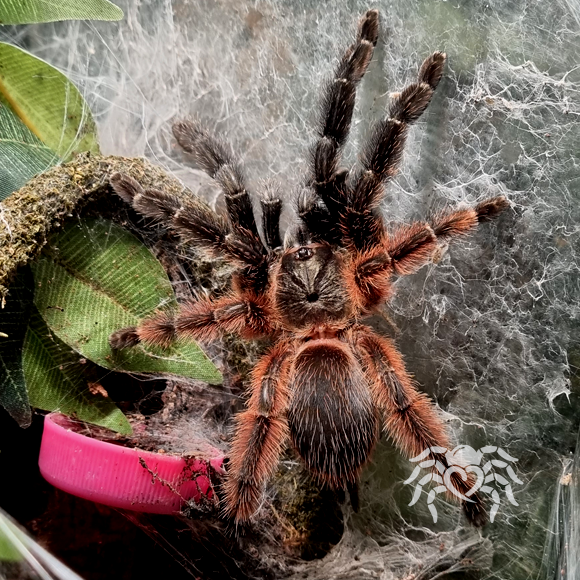
Psalmopoeus victori, known as the Mexican Half-and-Half or Darth Maul tarantula, makes its home on the verdant slopes of eastern Mexico’s Veracruz region. This lush corner of the world is all dense forests, tangled vines and endless trees—a paradise for spiders that love a good perch off the ground. Here, the climate is reliably warm and humid, with only slight seasonal changes. You’ll find P. victori lurking in the crevices of old wood or behind generous layers of moss, well camouflaged and never too far from a potential meal. Rain comes and goes as it pleases, but even in the dry season, the air stays comfortable and damp. If you fancy a species that’s truly at home in the treetops, P. victori won’t disappoint.
Adult Size
Grown Psalmopoeus victori are a respectable size without tipping into the monstrous. Females reach around 12–14 cm diagonal leg span, with most males ending up a tad smaller and more spindly—think compact sports car versus a family SUV. They’re leggy and swift, but neither tank-like nor fragile. Growth can be surprisingly brisk, especially with generous feeding. As with most tarantulas, females not only get the size advantage, but also the longevity (and attitude). Expect a beautiful display animal that never feels insubstantial.
Lifestyle
As a classic arboreal, Psalmopoeus victori feels most at home off the ground, weaving itself between bark and branches with effortless agility. In captivity, you’ll often see them lurking near the tops of enclosures, either tucked into a silken retreat or poised like a fuzzy ninja waiting for their next meal to appear. Slings and juveniles are particularly enthusiastic about exploring every vertical inch you provide. While not as secretive as some arboreals, they do value a good hideaway, so don’t expect them to flaunt themselves 24/7—part of their charm is those sudden, theatrical appearances just when you least expect it.
Lifespan
Females of this species are the long-haulers, quite able to surpass a decade in captivity provided they’re kept well and molted successfully. Ten to twelve years is not uncommon, if you’re lucky enough to snag a female sling. Males, as is typical in the tarantula world, have a much shorter gig—often maturing at 3–5 years, sometimes less, and living only months after ultimate moult. If you’re after a tarantula with impressive staying power, a female P. victori is a dunk in the fountain of youth (tarantula-wise, at least).
Growth Rate
Psalmopoeus victori boast a growth rate best described as ‘enthusiastic’. They’re not hyper-fast, but certainly outpace the slower terrestrial giants. With frequent feeding and warm conditions, they can shoot up from tiny spiderlings to leggy juveniles in a couple of years. Growth may slow after each moult, as they put on serious size, but you won’t be waiting half a decade to see a respectable spider. Consistent warmth and sensible feeding is your best route to speedy, healthy development.
Temperament
P. victori fall squarely into the ‘skittish but seldom nasty’ camp. They’re wonderfully fast and athletic, favouring flight over fight, but can throw a threat pose if seriously disturbed (which is your cue to back off and give them a cuppa’s worth of space). Handling is not advised, as they’d rather bolt than be your eight-legged buddy. Most of the time, you’ll see cautious curiosity—they’re alert and intelligent, even displaying hunting prowess that brings a smile to even the most jaded keeper. Respect their space and they won’t give you any trouble.
Temperature
Aim for an enclosure kept between 22–26°C, replicating those balmy forest temperatures P. victori know and love. They’re forgiving within reason—dipping to 20°C in winter shouldn’t be a disaster, but avoid chronic cold (or heatwaves beyond 28°C). Most hobbyists find a typical, heated UK room with perhaps a gentle heat mat on a thermostat does the trick. Direct, overpowering heat sources are a no-no; focus on ambient warmth. Always use a reliable thermometer to check, especially if your tarantula room is in a conservatory or shed. A stable, middle-of-the-road temperature is key to healthy, happy spiders (and keeps your heating bill in check).
Humidity
Given their rainforest origins, Psalmopoeus victori thrive at 65–75% humidity. Achieve this by keeping a moist but not soggy substrate (coco fibre, soil or moss mix works well) and misting a portion of the enclosure every few days—aim for one area to remain slightly damp while the rest can dry out a bit. Always provide good ventilation; stagnant, musty enclosures invite mould and mites, not healthy spiders. A sturdy water dish is a must for all life stages, even slings—just use a bottle cap for the tinies. Check regularly that the humidity doesn’t dip too low, especially with central heating on.
Visibility
Psalmopoeus victori are neither perpetual recluses nor showboating extroverts. You’ll often spot them peeking from their retreat in the early morning or evening, or actively webbing and hunting at dusk—a treat for night-owl keepers. Slings and juveniles are a touch bolder, while adults tend to be more reserved. With clever enclosure setup, you can encourage them to build retreats in visible areas for regular glimpses of their striking ‘Darth Maul’ colouration. If you appreciate quality over constant visibility, P. victori won’t disappoint.
Webbing
Webbing is where P. victori brings the drama. These tarantulas love to transform their enclosures, creating elaborate silk tunnels and retreats tucked artfully in the upper corners, behind cork bark or under foliage. The web serves as both home and hunting ground—a place to pounce on prey or vanish from nosy keepers. Compared to Avicularia, their webbing is denser but not a total silk carpet. Slings are especially industrious, often webbing the place to within an inch of its life. For display, nothing beats watching them spin late at night.
Feeding
Psalmopoeus victori aren’t picky when it comes to food, and their feeding response is usually quick and decisive. Slings will relish pinhead crickets or fruit flies 2–3 times a week—just ensure prey isn’t much bigger than their body. Juveniles do well with small locusts, mealworm segments or medium crickets every 5–7 days. Adults thrive on large crickets, adult locusts, dubia roaches, or the occasional treat of a waxworm, with 7–10 day intervals between meals. It’s best to feed in the evening, when they’re feeling most predatory. Remove uneaten prey promptly; these spiders dislike intruders lingering and old food encourages mould (not to mention jump scares at cleaning time). Watch for plump abdomens and reduce feeding if your spood is starting to resemble a Christmas pudding—overfeeding is a common beginner mistake.
Enclosure Recommendations
Psalmopoeus victori require a secure, vertically oriented enclosure with excellent cross-ventilation. Think Exo Terra Nano Tall for adults or clear acrylic cubes with side vents for juveniles. Provide at least 30cm tall by 20cm wide as adults—more is always welcome for their acrobatics. Add 6–8cm of moisture-retentive substrate (coco fibre or soil), a sturdy vertical cork bark slab for retreat building, and leafy fake plants or moss for added cover. A water dish is a must at all stages. Avoid cramped spaces with poor ventilation; humid, stuffy boxes equal stressed spiders. They’ll make their own hides, but a bit of starter cork or a ready hide lets them settle more quickly. Always check security—these long-legged athletes could win gold in the escape Olympics.
Experience Level
Psalmopoeus victori are best enjoyed by keepers who have a couple of species under their belt—intermediate level, ideally. Their speed can startle beginners and their arboreal habits require more careful enclosure design. That said, they’re not overly defensive or challenging, so a confident keeper ready for an active, webby, and rewarding tarantula will thrive. If you’re on step two or three of the tarantula ladder and want some excitement, they’re an excellent choice.
Final Thoughts
Psalmopoeus victori are a lovely mix of wild looks, webbing antics and just enough attitude to keep things lively (without being a menace). Their excellent feeding response, athleticism, and willingness to transform their enclosures make them a brilliant project for intermediate keepers. If you’re not after a permanent display animal, but rather a smart, energetic and visually stunning spider with the potential for years of companionship, they’re a smart pick. Provide proper vertical space and humidity, and you’ll be treated to secretive but rewarding glimpses—as well as the occasional ‘where did it go?!’ moment. They sit perfectly between common Avics and the more intimidating Pokies, making them a cherished addition to any serious collection.
Community Species Gallery
Approved photos submitted by registered Spoodoire users.
No community images have been approved for this species yet.
Submit Your Photo
Log in to submit a photo for this species.
Available at The Spoodoire
Products linked to this species care guide.