

Species Care Guide
Nhandu coloratovillosus
Brazilian black and white tarantula
Also known as: Brazilian black-and-white, white-striped birdeater
Last updated: July 1, 2026
Buy this species
Origin
Nhandu coloratovillosus, also known as the Brazilian Black and White, hails from the grasslands and open forests of Brazil, with sightings reported in parts of Paraguay and Bolivia as well. These spiders thrive in a warm, humid climate, often sheltering under rocks, logs, or conveniently abandoned burrows (real estate is always a plus). Their native habitat is subject to seasonal rains and quite a bit of fluctuation between wet and dry periods, so they're rather adaptable when it comes to environmental changes. Curiously enough, they’re just as happy in a comfortable, well-appointed enclosure as they are in the Brazilian wilds, provided their basic needs are met.
Adult Size
Adult Nhandu coloratovillosus ladies are proper showstoppers, often reaching a diagonal leg span of 15 to 17cm (sometimes more if they're feeling competitive). Males are noticeably leggier and lighter, but rarely get quite as large or bulky as the females. Growth can seem fairly rapid when they’re young, especially if spoiled with regular meals. Rest assured, this is a heavy-bodied spider with enough presence to impress at dinner parties (or at least when friends come round for a cuppa).
Lifestyle
Firmly terrestrial, the Nhandu coloratovillosus is one of those tarantulas that prefers solid ground beneath its feet. In both the wild and captivity, it’ll spend most of its time on the surface—though juveniles may do a bit of burrowing if the mood strikes. Expect your pet to patrol its enclosure proudly, sometimes giving a little decorative rearrangement service, which is tarantula talk for moving dirt and substrate everywhere. They’ll use hides if offered, but don’t typically vanish entirely unless they're in pre-moult or feeling shy.
Lifespan
If you’re after commitment, look no further. Females of this species readily live 12-15 years in captivity, sometimes even longer if they’re pampered. Males, as is often the tragic tale in the tarantula world, have a much shorter run—usually 3–5 years, and that’s if they don’t get romantic and wear themselves out. Proper husbandry and a stress-free environment will help your spider blossom beautifully into middle and then old age.
Growth Rate
Nhandu coloratovillosus are known for a healthy, medium-to-fast growth rate. Slings will shed their skin every couple of months with enthusiasm, slowing down as they get older, but still growing at a pace that delights impatient keepers. Growing them up strong is as easy as providing warmth, moderate humidity, plenty of food, and a touch of patience. Nothing happens overnight, but you won’t be watching paint dry either.
Temperament
Nhandu coloratovillosus is a tarantula with attitude (and eyebrows). They’re generally confident, bold spiders who won’t run at the first sign of movement. But, and this is a key ‘but’, they are quick to kick hairs when annoyed and can be quite food-responsive during mealtimes. Not aggressive—just cheeky with a hint of drama. Expect them to stand their ground, make a fuss if their turf is invaded, and occasionally give a sprint if startled. Be respectful, move slowly, and you’ll get on famously.
Temperature
The Nhandu coloratovillosus does best in the typical room temperatures of most British homes—think 21–25°C as the sweet spot. They don’t require tropical heat, nor do they appreciate British winter chills, so if your home drops below 20°C for any length of time, a gentle heat mat on the side of the enclosure will suffice. Avoid baking them in direct sunlight or placing the enclosure atop a radiator—no tarantula wants to be medium-well. Always keep one half of the enclosure unheated so your spider can choose its comfort zone.
Humidity
These beauties favour moderate humidity, ideally between 60–70% RH. Achieve this with a substrate that stays faintly damp—think slightly moist, not soggy bog. A large, shallow water dish is essential and should always be kept topped up, as your spider appreciates a sip as much as the next creature. Letting one side of the substrate dry out a bit helps balance humidity and reduces the risk of mould. Good cross-ventilation is important—don’t turn your enclosure into a sauna. Mist lightly if things get too dry, but don’t go overboard.
Visibility
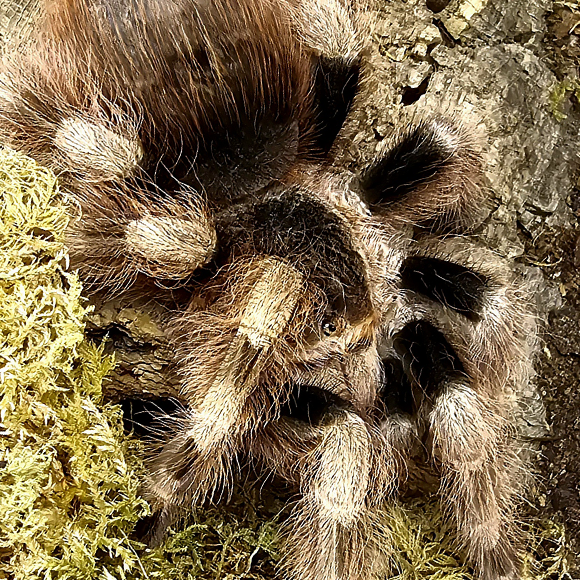
Unlike the shy and retiring types, Nhandu coloratovillosus are often out and about—making them excellent display spiders. You’ll frequently find yours perched right in the middle of its enclosure or merrily redecorating like it’s competing on ‘Tarantula’s Got Talent’. They do hide away during moults or if spooked, but are much more visible than many New World terrestrials. Day or night, you’re likely to catch them showing off those snazzy stripes.
Webbing
Not the most prolific webbers, Nhandu coloratovillosus will still lay down some silk carpets—mainly around their hiding spot or as a cosy area to moult in. Don’t expect elaborate tunnels or Halloween decorations, but you’ll spot silky patches here and there. Their webbing is mostly functional, not decorative: a soft landing zone, a way to detect prey, and a place to moult in peace. Think ‘minimalist chic’.
Feeding
Feeding this species is as straightforward as serving dinner to a hungry teenager. Slings can take on appropriately sized fruit flies or pre-killed micro crickets every 3–5 days. Juveniles step up to larger crickets, mealworm segments, or small dubia roaches twice a week. Adults appreciate a big cricket, roach, or locust every 7–10 days. Don’t go overboard—these spiders can get chunky, and consistently overfeeding slows moulting and may stress the spider. Remove leftover prey after 24 hours, especially pre-moult, to avoid hassle. Their feeding response is usually robust—sometimes enthusiastic enough to rearrange the furniture. Observe for plumpness; a slightly rounded abdomen is healthy, but beer-belly tarantulas are best avoided.
Enclosure Recommendations
Choose a secure, well-ventilated terrestrial enclosure—plastic or glass is fine, as long as there’s no escape route for eight sneaky legs. For adults, an enclosure around 40x30x30cm works well, offering room for gentle explorations. Provide at least 10–15cm of substrate (coco fibre, topsoil, or a mix) for burrowing opportunities, even if they mostly ignore it. Add a cork bark or half-log hide for privacy, and a shallow, spill-proof water dish. Keep furnishings simple to make spot cleaning easier, and avoid pointy decor. Good cross-ventilation is crucial to prevent stuffiness. Misting rarely needed if the substrate remains faintly moist—lighter for slings, heavier for adults as they grow.
Experience Level
Thanks to their bold personality and ease of care, Nhandu coloratovillosus is suitable for hobbyists with a bit of experience under their belt—think confident beginner or intermediate. Their defensive hair-flicking means they might not be ideal as your very first spider, but they’re hardy, forgiving, and offer lots of character without being a handful (as long as hands are kept out of the enclosure).
Final Thoughts
Nhandu coloratovillosus is a tarantula with just the right blend of boldness, beauty, and attitude for those ready to level up from the truly placid species. With proper care, they reward you with daily sightings, vibrant black-and-white stripes, and more character than many New World terrestrials. There’s minimal webbing but plenty of rearranging, so if you enjoy watching your spider be busy (and dramatic when you offer food), you’re in for a treat. They’re not the ideal ‘starter spider’ due to those hair-flicking antics, but they’re a cracking choice for someone after a confident display species who doesn’t spend its life hiding. Put simply: they’re brilliant, brash, and beautiful—what’s not to love?
Community Species Gallery
Approved photos submitted by registered Spoodoire users.
No community images have been approved for this species yet.
Submit Your Photo
Log in to submit a photo for this species.
Available at The Spoodoire
Products linked to this species care guide.