

Breeding Notes
Tliltocatl albopilosus
Species-specific breeding guidance, seasonal context and practical caveats for experienced keepers.
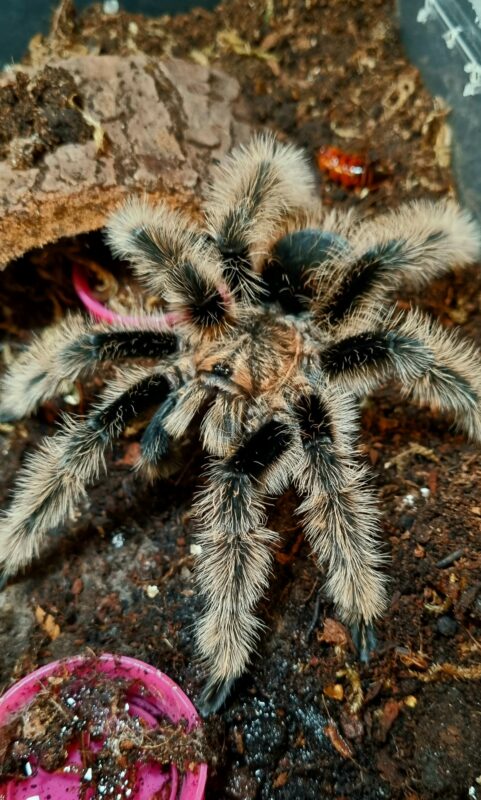
Species breeding reference
Breeding Notes
Reliable and forgiving as tarantulas go, curly hairs make breeding look much less dramatic than some of their more temperamental cousins. Mimic their native wet season with warmth and humidity, do a bit of prep to keep everyone well fed, and you’ve a fair shot at a successful clutch. Still, as with any tarantula, give the female space and take your time—the spiders generally know exactly what they’re doing, even if we’re sometimes just guessing!
Wild Breeding Season
Wild curly hairs are thought to mate during the wetter periods, fitting the Central American rainy season. Rain brings out plenty of prey and humidity for webbing, with the spiders emerging from their burrows to find a mate.
Wild Environmental Triggers
Rising humidity and steady warmth tend to get these tarantulas in the mood, as that's when prey is plentiful and conditions are ideal for burrow-dwellers. The onset of consistent rains after the drier months seems to be the natural cue for activity.
Native Climate Context
Native to Honduras and Nicaragua, this species thrives in tropical climates with stable warmth and a pronounced wet season. These are habitats where daytime temperatures hover around the low to mid 20s°C with ample humidity and scattered rainfall.
Captive Breeding Window
Breeding tends to be most successful when you mimic the edge of the rainy season, so late spring into summer works well in captivity—essentially, when temperatures are warm and humidity is nudged up a notch for a few weeks before and after pairing.
Pre-pairing Conditioning
Feed both spiders up well beforehand, giving the female an extra leg up so she's less likely to snack on her suitor. Gently increase the humidity for a few weeks and ensure both have recently moulted and are in tip-top condition.
Male Introduction Guidance
Introduce the male into the female's enclosure in the evening when she's less likely to be active and hungry, and always be ready to step in just in case. It's common for the male to approach cautiously and drum; if both are receptive, things usually go smoothly, but have a barrier or soft paintbrush on hand for peace of mind.
Female Readiness Signs
A receptive female will linger near her burrow entrance, responding to the male's drumming with her own. She may seem more active and web more than usual in the days leading up to pairing. If she's sitting tight and not at all interested, err on the side of caution and try again later.
Post-pairing Conditions
After mating, keep the humidity on the higher side and offer prey regularly to help her build up reserves. Keep her disturbance to a minimum, and wait for her to construct a sacrificial web or hide out as she prepares for eggsac production.
Sac Timeline
From pairing, eggsacs are typically produced within a few months—often around 6 to 8 weeks when conditions are right, though this isn't set in stone. The female usually guards her eggsac diligently in a webbed retreat.
Incubation Notes
Leave the eggsac with the female whenever practical, as these spiders are generally solid mothers. If you need to pull the sac for artificial incubation, be ready to maintain moderate warmth (21–24°C) and humidity, with gentle turning every day or two until the spiderlings hatch at around 6 to 8 weeks.
Expected Sling Count
Eggsacs often yield a substantial brood, commonly in the range of 300 to 800 spiderlings, though numbers vary between individuals and conditions.
Risks and Cautions
Females can be unpredictable, so watch out for aggression towards the male and be prepared for occasional failed sacs or resorptions, especially with first-time mums. Now and then, females might eat the sac if stressed—so keep the environment settled. Avoid handling or excessive enclosure checks during this period.
Evidence confidence: High