

Breeding Notes
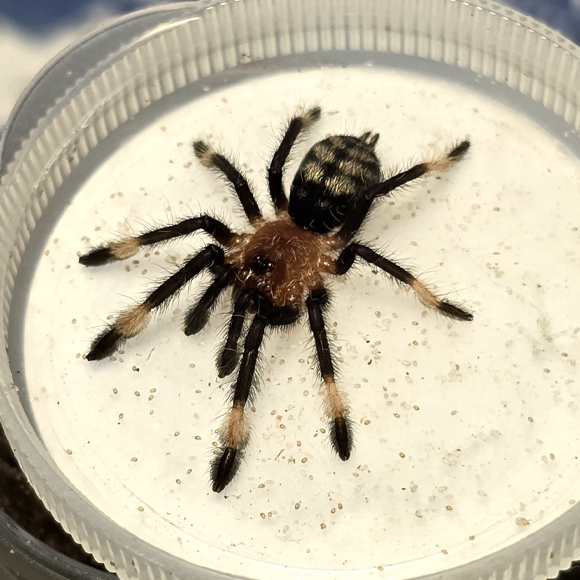
Psalmopeus irminia
Venezuelan suntiger tarantula
Also known as: Venezuelan sun tiger, suntiger tarantula
Species-specific breeding guidance, seasonal context and practical caveats for experienced keepers.
Species breeding reference
Breeding Notes
Pairing Psalmopeus irminia is not for the faint-hearted. When conditions are right—plenty of humidity and steady warmth after a full feed—results can be impressive, but aggressive tendencies make every introduction a dicey affair. Expect colourful acrobatics, rapid movement, and the odd dash to safety. With cautious timing and a watchful eye, you might get a healthy clutch, but patience (and nerves of steel) are essential. Definitely one for the keen keeper, not a beginner’s first swing.
Wild Breeding Season
Direct field studies are scarce, but with their habitat lying close to the equator, the breeding season for these arboreal tigers likely aligns with periods of peak rainfall, particularly during the wettest months. That said, females may become receptive at other times if seasonal cues (like humidity spikes) are mimicked.
Wild Environmental Triggers
In their moist, muggy forests, the main environmental cues for mating appear to be extended periods of high humidity and warmth—classic rainforest weather. A swell of rain and slightly dropping barometric pressure often gets these spiders in the mood.
Native Climate Context
Think sopping-wet and steamy rainforest. Temperatures hover just over 25°C year-round with humidity often nudging above 85%. Rain comes in fierce bursts, especially from March through June in their wild range.
Captive Breeding Window
In captivity, successful pairings are frequently reported after a period of increased misting and slightly higher temperatures, typically at the tail end of winter or start of spring in the UK (mirroring the early wet season in their home turf). However, timing does not appear to be fiercely restricted if conditions are right.
Pre-pairing Conditioning
Both male and female benefit from a steady diet and excellent hydration before pairing. Boost humidity for a week or two and slightly increase night-time temperatures. Make sure the female is well-fed but not obese—plump and pleased, but not a pudding.
Male Introduction Guidance
Introduce the male in the evening when both spiders are less active. Offer him straight to her retreat entrance with ample climbing space for a speedy exit. Keep a barrier or soft brush handy if things get heated, as females can be quite feisty and unromantic.
Female Readiness Signs
You may notice the female spending more time near the entrance of her web or making less dramatic threat displays when disturbed. Increased webbing or a fresh moult in the past month can also signal she’s feeling sociable. There’s never a guarantee, so move forward with care.
Post-pairing Conditions
Keep conditions stable and damp, with ongoing high humidity and moderate warmth. Don’t scrimp on ventilation—fresh air is your friend. Avoid moving or disturbing the female’s enclosure once pairing has taken place, as stress can lead her to eat the male or the future egg sac.
Sac Timeline
Egg sacs may appear anywhere from four to eight weeks after pairing, depending on temperature, feeding, and the female’s mood. Patience is required, as the process is rarely linear and some females take their sweet time.
Incubation Notes
Leave the sac with the female for three to five weeks if she appears calm and attentive. If worried about cannibalism or neglect, consider artificial incubation after a couple of weeks. Maintain warmth and very high humidity, but avoid letting water condense directly on the sac.
Expected Sling Count
Clutch size varies, but you’re typically looking at several dozen to over a hundred slings per sac. Numbers fluctuate quite a bit, so expect a range rather than a cert.
Risks and Cautions
Females of this species can be unpredictable and defensive. Premature, hungry, or recently moulted males are at high risk. Mishaps are common, even for seasoned keepers. Old world speed and defensive behaviour ramp up the challenge—never let your guard down, and don’t expect every pairing to end in success or survival.
Evidence confidence: Medium