

Breeding Notes
Poecilotheria regalis
Indian ornamental tarantula
Also known as: Indian ornamental tree spider, Indian ornamental, regal parachute spider
Species-specific breeding guidance, seasonal context and practical caveats for experienced keepers.
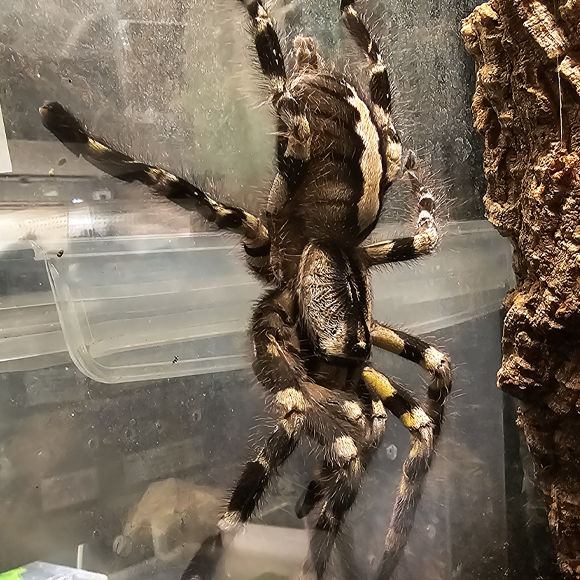
Species breeding reference
Breeding Notes
P. regalis breeding requires sharp observation, good timing, and nerves of steel. With their speed and defensive edge, these aren’t a beginner’s project. Plan pairings to coincide with high humidity after a simulated rainy spell, give both tarantulas plenty of space and food, and keep a close watch. Sacs can be sizeable, but successful pairings aren’t guaranteed, so take a cautious and respectful approach. These remarkable spiders play by their own rules, so flexibility and patience are rewarded.
Wild Breeding Season
Most wild breeding from closely related species seems to align with post-monsoon periods when humidity is consistently high, so it’s likely P. regalis gets busy during or just after the wettest months, typically late summer into autumn in southern India.
Wild Environmental Triggers
Increased rainfall, warm and stable temperatures, and higher ambient humidity are likely triggers for breeding activity. The onset of the monsoon and the period just after give optimal moisture and cover for successful pairing and egg sac protection in the wild.
Native Climate Context
P. regalis comes from hot, humid forests of southern India where temperatures often hover in the mid-20s Celsius, with humidity ranging from 60% up to 85% and intense rain during the monsoon from May to November. The transition from the dry season to peak wet season marks a period of environmental abundance and would provide the natural cues for breeding.
Captive Breeding Window
Pairing attempts are most likely to succeed if timed with a simulated post-rainy season environment, so late summer to early autumn in the UK—roughly August through October—works well, provided conditions mimic increased enclosure humidity as would happen after the monsoon.
Pre-pairing Conditioning
Feed both spiders well and ensure the female is freshly moulted and properly hydrated. A slight uptick in enclosure humidity a couple of weeks before introductions may simulate natural triggers and help with receptivity. Avoid pairing if the female's colours are dull or she's looking too close to moult.
Male Introduction Guidance
Introduce the male into the female’s enclosure late in the day when activity levels rise. This species is quick, and introductions are risky—ensure plenty of vertical structure and space for the male to retreat. Keep a close eye: never rush and be ready with a long tool to separate them if things turn sour.
Female Readiness Signs
Females that are receptive may drum or stay visible near their retreat entrances, sometimes showing more tolerance of the male’s approach. A female that lunges, threatens, or doubles down on hiding isn’t ready.
Post-pairing Conditions
Once mating is observed, feed the female generously and keep enclosure humidity steady but not waterlogged. Withhold extra misting for a week or two, then gently boost humidity and offer deeper, undisturbed retreats to help her settle for sac production.
Sac Timeline
Egg sacs generally appear six to eight weeks after a successful pairing, but timing is variable. The female may hold off if conditions aren’t right, and sacs can sometimes be laid later than expected, so patience is key. Never disturb the female unduly during this window.
Incubation Notes
Females will usually tend the sac for up to eight weeks. If you choose to remove the sac for artificial incubation, wait at least 30 days but no longer than 40. Slings will reach first moult inside the sac; after that, they’re ready to be rehoused.
Expected Sling Count
Sac sizes tend to be in the 80 to 200 range, but some large, well-fed females may produce more. Not every sling will make it to second instar, so don’t expect a perfect count.
Risks and Cautions
These are fast, defensive spiders that won’t hesitate to defend themselves or their egg sac. Failed pairings can lead to cannibalism, so prior experience with pairing defensive arboreals is a must. Failed or dud sacs aren’t unusual; patience and careful observation help, but don’t expect every pairing to yield slings.
Evidence confidence: Medium