

Breeding Notes
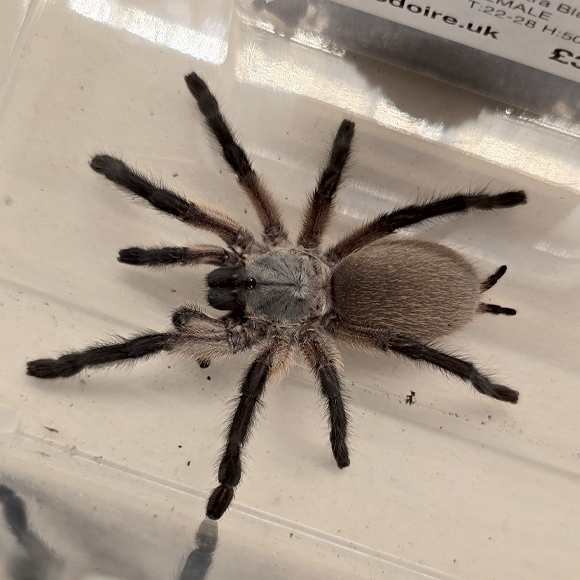
Monocentropus balfouri
Socotra island blue baboon tarantula
Also known as: Socotra blue baboon, Socotra island blue tarantula
Species-specific breeding guidance, seasonal context and practical caveats for experienced keepers.
Species breeding reference
Breeding Notes
M. balfouri is one of the few tarantulas with a reputation for successful breeding both solo and communally, but don’t mistake that for simplicity. Breeding is much more forgiving than most African species, but a cool head, close supervision, and a well-prepped female are still key. Pairings can be peaceful or tense, sacs can be plentiful or frustratingly absent—best tackled by experienced hands, not first-time breeders.
Wild Breeding Season
There’s no solid wild observation to pin down the breeding season, but their home turf on Socotra has a hot, arid climate with short, wetter periods between May and December. Captive results have cropped up at different times of year, so there’s probably some wiggle room rather than a strict window.
Wild Environmental Triggers
Rainfall or post-wet spells likely play a part in wild breedings, with a bit more humidity and maybe some seasonal cooling after the searing hottest months. These shifts would nudge mature females to get broody in their natural scrubby hideouts.
Native Climate Context
Monocentropus balfouri is right at home with Socotra’s toasty days (around 22–26°C for most of the year), moderate humidity, and occasional bursts of rain—think dry with the odd humid spike, not swampy. There’s more rain in May and from October onwards, but it never really gets cold.
Captive Breeding Window
Enthusiasts have had success year-round, but pairing at the tail end of a mild moist spell (mirroring autumn or spring at home) seems to work well. Boost humidity slightly for a few weeks before pairing, then let it taper off after introductions.
Pre-pairing Conditioning
Give your female a steady diet and keep her enclosure warm and lightly humid—about 60–65% for a bit. Some keepers gently overflow the water dish every so often, but don’t let things get soggy. She should be well-fed, freshly moulted, and settled in her burrow.
Male Introduction Guidance
This species is famously less aggressive towards males than most, but don’t get cocky. Introduce the male in the evening with plenty of anchor points for webbing. Leave both spiders undisturbed and supervise closely at first. Having tongs at the ready is always wise in case things turn sour.
Female Readiness Signs
A receptive female should be plump, calm, and will often sit out in the open or near her burrow entrance, sometimes tweaking her webbing. Males will readily approach and drum if she’s up for it. If the female is skittish or snappy, she’s probably not keen yet.
Post-pairing Conditions
Once mating’s done, keep things warm and let humidity drop back to drier baseline levels. A nice, peaceful enclosure helps—minimal disturbance and plenty of time to relax. Make sure she’s got a full belly and a good, private sanctuary.
Sac Timeline
Reports vary, but females can drop a sac anywhere from 4 to 12 weeks after pairing (often on the shorter side if conditions are just right). Expect a bit of a wait—it’s never clockwork with this lot.
Incubation Notes
Egg sacs are generally left with the female, who will mother her brood admirably. If you’re artificially incubating, aim for steady warmth and avoid damp conditions. Slings tend to cluster and share food in communal settings if you leave the sac with mum.
Expected Sling Count
Clutch sizes can be all over the place, but anywhere from 50 to 150 spiderlings is typical, with occasional reports of numbers outside that range. Communal groups can grow fast once they get going.
Risks and Cautions
While less murderously antisocial than other tarantulas, there’s always a risk of aggression or cannibalism if conditions aren’t spot on. Communal setups might seem tempting, but juvenile cannibalism is possible if food or space runs low. Males often don’t last long after doing the deed.
Evidence confidence: Medium