

Breeding Notes
Chilobrachys natanicharum
Electric blue tarantula
Also known as: electric blue earth tiger, Thai electric blue tarantula, Chilobrachys sp. Electric Blue
Species-specific breeding guidance, seasonal context and practical caveats for experienced keepers.
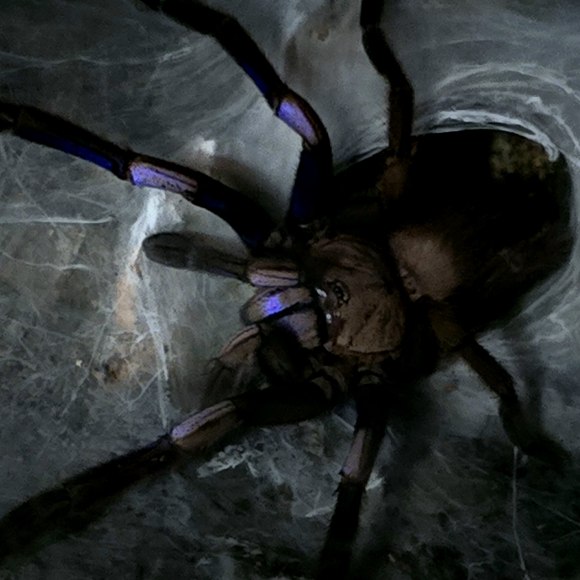
Species breeding reference
Breeding Notes
Breeding Chilobrachys natanicharum is firmly for the advanced crowd—reports are sparse, and outcomes can swing wildly. If you’re tempted, treat every pairing as experimental and don’t count your slings before they’ve hatched. Maintain steady humidity and warmth, mirror the seasonal cues, watch for subtle signs, and above all, respect their privacy (and foul mood) throughout.
Breeding information for this species is a bit thin on the ground, so this guidance is based on the best available reports, native climate clues, and sensible keeper caution.
Wild Breeding Season
Direct breeding reports for this species are virtually nonexistent, but looking at their life in southern Thailand, it’s likely their peak breeding activity lines up with the start or end of the intense wet season—anywhere from late spring through early autumn when conditions are warm, humid, and there’s plenty of cover.
Wild Environmental Triggers
Heavy rains raising humidity and flooding low burrows probably kickstart breeding, as the region swings from hot, muggy build-up into full monsoon chaos. The abrupt transition from moderately dry to soaking wet spells seems to be a common nudge for these secretive burrowers.
Native Climate Context
Phang Nga, their patch in southern Thailand, rarely cools off—expect 25–28°C much of the year, humidity hovering around 80–90%, and most rain falling full tilt between May and October. Even when it lets up, the ground doesn’t get chance to dry out properly, so it’s always a bit steamy.
Captive Breeding Window
Based on climate and wider genus behaviour, your best shot is to gently ramp up humidity and simulate that pre-monsoon build-up in spring, pairing them as rains would naturally arrive—late spring into summer seems safest, but nobody’s clocked reliable UK pairings yet.
Pre-pairing Conditioning
Get both spiders looking well-fed and robust, as the process can stress even the hardiest individuals. Replicate a proper rainy spell just before introductions: up substrate moisture, regular gentle misting, and keep temperatures steady in the mid-20s°C. If you can, trigger a mild drop in pressure or lighting to mimic a good thunderstorm (but no need to bring the weather indoors).
Male Introduction Guidance
Let the male lay down his courtship silk in a tunnel or on the surface first, ideally overnight, then introduce him carefully to the female’s enclosure. Stay close—Chilobrachys can be aggressive and a mismatched rendezvous often spells trouble. Daytime intros when both are calm seem to have best odds, but always have something sturdy handy for intervention, just in case she decides dinner is on the cards.
Female Readiness Signs
A female who’s recently moulted and is regularly webbing near her burrow entrance (but not at her fattest) might be receptive. If she sits out in the open, interacts with web vibrations, or doesn’t instantly lunge for a meal, those are decent early signs—though Chilobrachys can be cryptic or fickle, so nothing is guaranteed until you try.
Post-pairing Conditions
Once mating’s done, restore slightly drier conditions for a couple of weeks and keep disturbances to a minimum. After that, gradually bring back high humidity and leave her to her burrow—deep, moist substrate helps, with a shallow water dish topped up religiously. Any cleaning or checks should be quick, stealthy, and as infrequent as you can manage.
Sac Timeline
There’s little direct evidence for this species, but expectations based on the genus point to a sac being laid around 4–8 weeks post-mating. Female may guard or line her entire burrow densely with web, refusing food in the run-up. Don’t disturb her once she goes into full sac mode—she might cannibalise the lot if stressed.
Incubation Notes
Let mum do the work where possible. For those needing to pull the sac, a warm (around 26°C), humid incubator mimicking deep burrow conditions is best. The eggs typically spend 4–6 weeks developing, but patience is crucial and earlier intervention does more harm than good.
Expected Sling Count
Numbers for this species aren’t published, but Chilobrachys sacs are famed for being large—success stories for similar species quote anywhere from 100–300 spiderlings if things go smoothly. High losses aren’t uncommon, so treat huge hatch-outs with caution rather than excitement.
Risks and Cautions
Chilobrachys natanicharum is notoriously unpredictable, both in temperament and breeding response. Cannibalism is a big risk at every stage, and females are quick to scrap a sac at the slightest hint of disturbance. Their speed and defensiveness make every step more challenging. Best left to serious and patient keepers with prior breeding experience in this genus.
Evidence confidence: Low