

Breeding Notes
Brachypelma smithi
Mexican red-knee tarantula
Also known as: Mexican red knee, Mexican redknee
Species-specific breeding guidance, seasonal context and practical caveats for experienced keepers.
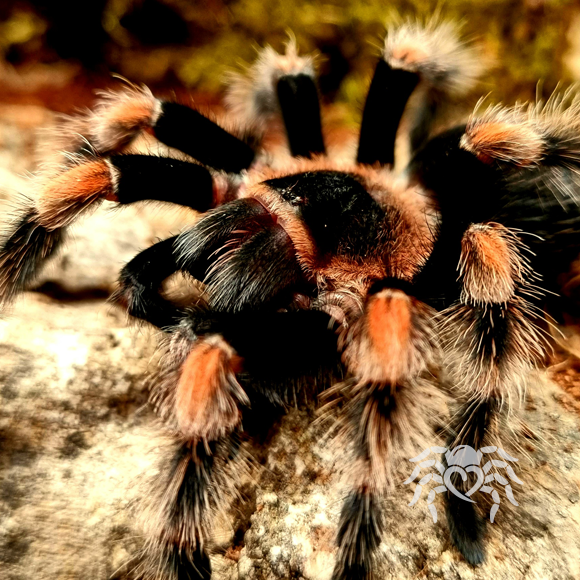
Species breeding reference
Breeding Notes
Brachypelma smithi breeding is a bit more achievable than with some fussier species, but it still requires patience and careful prep. Success rates are decent with healthy, freshly moulted females and confident, mature males. Don’t expect instant results, and be prepared for the odd curveball. If you’re after easy wins, you might want to try a more straightforward species first.
Wild Breeding Season
Wild breeding for Brachypelma smithi seems to centre around the end of the local dry season, often following the summer rains, but reports vary and precise months aren’t pinned down.
Wild Environmental Triggers
Seasonal changes, particularly the transition from rain to drier, cooler weather, appear to prompt breeding readiness. Males are seen roaming after seasonal rains, seeking females in their burrows.
Native Climate Context
Native to the Pacific coast of Mexico, this species does best with a warm, slightly arid set-up. Natural habitat swings between dry and a bit damp after rains, with steady temperatures and reasonable night-time drops, never getting truly cold.
Captive Breeding Window
Pairing attempts tend to go best when staged soon after a female has moulted and been well fed, typically synchronised with the season in their native land—late summer into early autumn if you're mirroring their wild cycle, but this can flex in captivity.
Pre-pairing Conditioning
Make sure both spiders are well fed and unstressed, with the female in particular given a good meal or two in the week before introductions. A gentle misting of one part of the enclosure a few days before pairing can mimic a post-rain boost.
Male Introduction Guidance
Introduce the male in the evening and keep a close eye—these two are generally calm, but the male should always have an escape route. Remove him if either shows signs of aggression or if they lose interest after a few attempts.
Female Readiness Signs
A receptive female usually stays calm and doesn’t chase or threaten the male. If she stands tall and allows his approach, it’s a positive sign. Freshly moulted, well-fed females are your best bet for success.
Post-pairing Conditions
Return the female to her quiet, undisturbed routine. Reduce disturbance, keep humidity steady (not soggy), and avoid moving her around. Feed sparingly and gently mist a corner, but don’t let things get too damp or stuffy.
Sac Timeline
If successful, egg sacs are most often produced within 4–12 weeks of pairing, but this is variable. Don’t panic if she takes her time—some females sit on the decision like it’s a mortgage application.
Incubation Notes
Incubate at a steady 24–26°C with slight humidity, similar to their preferred living range. Leave the sac with the female if she isn’t disturbed or stressed. If pulling early, keep it gently rolled and ventilated to avoid mould and overheating.
Expected Sling Count
Clutches are highly variable but often range from 200–400 spiderlings in captive reports, with some sacs producing more or fewer, depending on female condition and age.
Risks and Cautions
Cannibalism isn’t especially rampant in this species, but don't take risks—never leave the pair unattended for long stretches. False sacs, eating the eggsac, or failed pairings do happen, especially with older or poorly conditioned females. Overly damp conditions can be disastrous—think gentle mist, not swamp.
Evidence confidence: Medium