

Breeding Notes
Avicularia variegata
Manaus Brick-red Pinktoe
Also known as: Brick-red Pinktoe
Species-specific breeding guidance, seasonal context and practical caveats for experienced keepers.
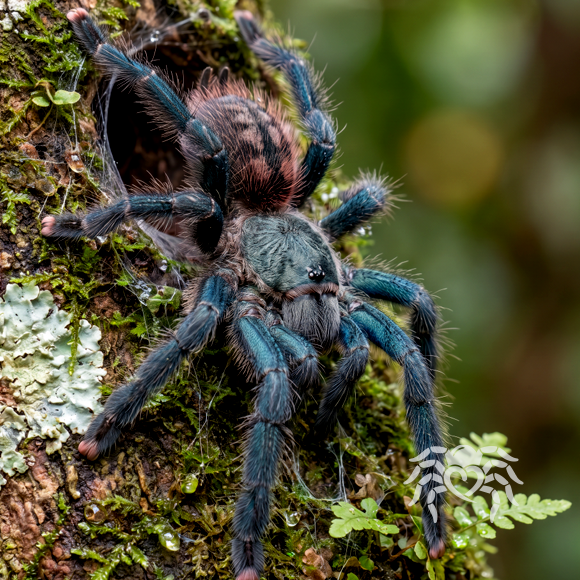
Species breeding reference
Breeding Notes
Breeding Avicularia variegata isn’t for the faint-hearted. They’re gorgeous, but their arboreal habits and love of humidity give even experienced keepers a few grey hairs. Stable, warm, humid conditions with plenty of ventilation are crucial, and patience is your best mate. The pairing dance can be touch-and-go, and egg sacs sometimes don’t make it to hatching despite your best efforts. If you like a challenge and have bred ‘easier’ Avics before, you’ll find these worth the effort—but tread carefully and expect surprises along the way.
Breeding information for this species is a bit thin on the ground, so this guidance is based on the best available reports, native climate clues, and sensible keeper caution.
Wild Breeding Season
There isn’t a rock-solid month range confirmed for Avicularia variegata in the wild, but being a resident of consistently warm and wet Amazonian climates, this species may not have a sharply defined breeding period. Breeding is likely to follow periods of increased rainfall and warmer temperatures, much like close relatives.
Wild Environmental Triggers
Breeding activity in the wild probably picks up when humidity is consistently high and there’s a steady supply of rain, as is typical for Amazonian arboreals living well above the forest floor. Subtle seasonal peaks may exist, but captive breedings commonly succeed outside these windows.
Native Climate Context
These tarantulas hail from the humid upper canopies of Brazilian and Venezuelan rainforests, where temperature changes are mild, and humidity levels are reliably high all year round. Conditions rarely drop below 22°C or below 65% humidity, so moisture in both air and substrate is key.
Captive Breeding Window
No specific month is set in stone, but many keepers succeed when mimicking natural wet seasons. Try pairing after a slight increase in temperatures and humidity, which can help spark breeding behaviour.
Pre-pairing Conditioning
Well-fed, stress-free adults do best. Give both spiders several months of regular feeding, humidity at the higher end, and calm conditions before considering a pairing. A false wet season—slightly more misting, a touch warmer—might nudge them in the right direction.
Male Introduction Guidance
Introduce the male at dusk when both spiders are most active. Place him near the entrance of the female’s web, but watch like a hawk, as Avics are known for occasional mood swings. Remove the male if the female acts aggressively or shows no interest after extended cohabitation attempts.
Female Readiness Signs
A receptive female typically webs more intensely, may linger near the entrance of her retreat, and sometimes adopts a more exploratory attitude. If she’s freshly moulted within a few months, all the better. Refusal to interact or defensive posturing are clear signs to hold off.
Post-pairing Conditions
Keep things steady: high humidity, 24–26°C, low disturbance, and a good supply of food. Avoid major changes for at least a month after pairing as females need stability if they’re going to lay a sac.
Sac Timeline
Reported egg sacs in close relatives appear anywhere from 4 to 12 weeks after pairing, but this varies quite a bit. Inspect gently and early on, as Avics can be quite casual about abandoning sacs that are disturbed too much.
Incubation Notes
Egg sacs should be left with the female for at least 3–4 weeks before any consideration for pulling. High humidity and low stress are essential, and mould can be an issue if the environment is too wet or stale. If you must pull, incubate at the same temperatures and humidity that mum enjoyed.
Expected Sling Count
Expect somewhere between 50 to 120 spiderlings in a successful sac, though numbers fluctuate. Occasionally, sacs can be smaller or (rarely) surprisingly large.
Risks and Cautions
Females may cannibalise or ignore males unexpectedly, and are known to abandon sacs if overly fussed with. Mould and dehydration are ever-present risks, especially in high-humidity setups. False fertilisation or dud sacs aren’t uncommon. This isn’t a species for a first breeding project—be ready for a bit of unpredictability.
Evidence confidence: Low