
Origin
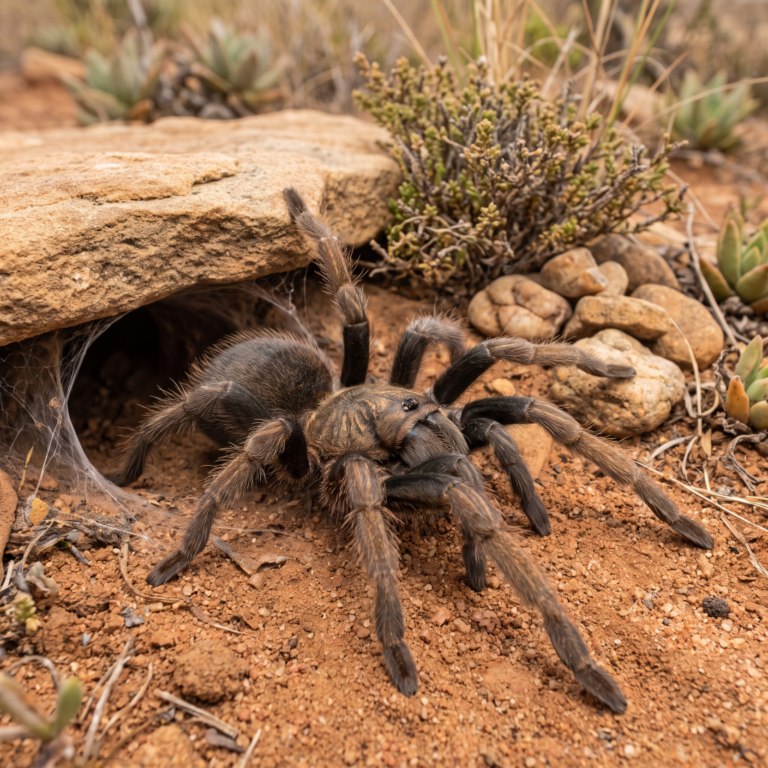
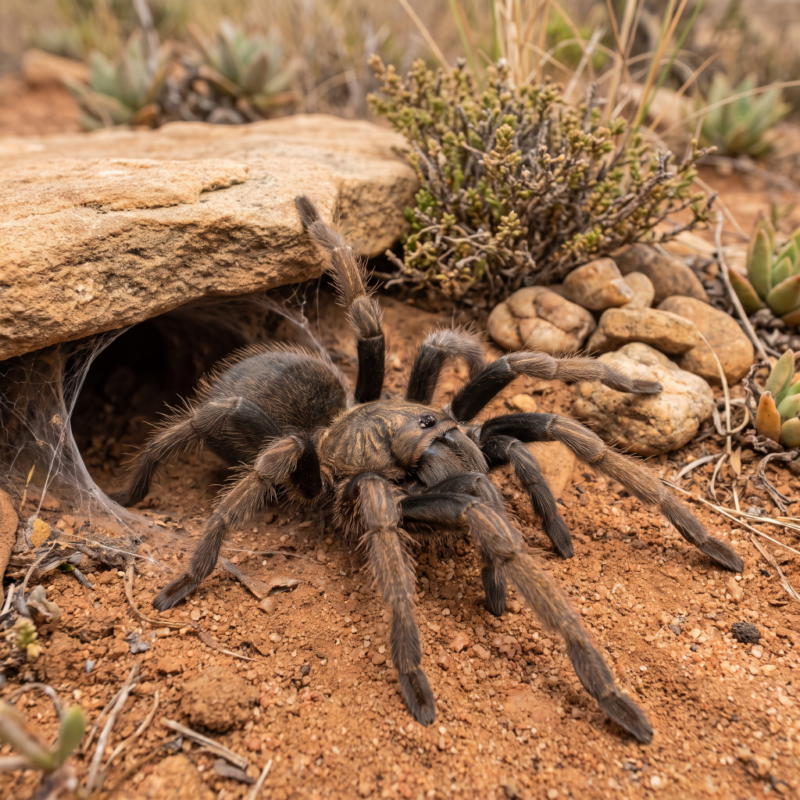
Harpactira marksi hails from the beautiful wilds of South Africa, favouring the warm, dry scrublands and semi-arid regions of the Western Cape. There, they dwell among rocks, fallen logs, and loose earth—nature’s equivalent of cosy bungalows. These habitats experience moderate rainfall, plenty of sun, and a somewhat stable climate, so H. marksi is quite accustomed to temperature swings from pleasantly warm days to cooler nights. Thanks to their tough nature, they’ve adapted well to the seasonal changes that can occur in South Africa, making them resilient little characters back in the British spider room.
Adult Size
Adult Harpactira marksi typically reach a diagonal leg span of 10–12 cm, which is decently sized—certainly enough to impress your mates, but far from tarantula giant territory. Females tend to be bulkier and can seem even more imposing, while males are often lankier and less robust, especially post-maturity. Growth is generally steady rather than rapid, and juveniles can take a handful of years before showing off their full-grown good looks. As always, good feeding and proper husbandry make all the difference to their ultimate size and shape.
Lifestyle
This species is resolutely terrestrial, meaning you’ll find it rooting around on, or under, the ground rather than swinging through the trees or digging deep burrows like fossorial pros. In captivity, H. marksi appreciates a nice patch of substrate to explore and rearrange, moving hide entrances and webbing across available real estate. You’ll spot them lounging near their chosen retreat or, if you’re lucky, out for a jaunt when lights are low and spirits high (usually yours, not the spider’s). They’re clever at making use of cork bark or a half flowerpot, but don’t expect Olympic-level burrow engineering.
Lifespan
If you’re in it for the long haul, female H. marksi can keep you company for up to 12 to 15 years—a serious commitment, but what’s a decade between friends? Males, however, tend to burn out after maturity and rarely see more than 3 or 4 years, with their final months spent restlessly seeking romance. Given proper care, these spiders are robust and can outlive many a houseplant, so be ready to enjoy their company through a good chunk of your hobby.
Growth Rate
Harpactira marksi grows at a happy medium pace—not glacially slow, not ‘blink and you’ll miss it’ fast. Spiderlings go through their early moults rather briskly if kept well-fed and warm, but things naturally slow down with age, especially after they hit juvenile stages. That said, individuals differ and some seem to enjoy keeping you guessing. If your spider’s growth seems shy, check food and warmth—otherwise, patience is a virtue.
Temperament
Harpactira marksi is generally calm and mild-mannered, but, like many South Africans, they’re not afraid to show a bit of spirit if properly provoked. Most of the time they’d rather scoot off into cover than throw a tantrum, but nervous individuals might throw up a ‘please don’t’ threat posture if you insist on poking about. Speed is respectable but nothing to rival the world’s sprinters. Treat them with patience and respect, and both of you will have an easier time.
Temperature
Aim to keep your H. marksi at a comfortable 22–25°C, which is basically a British heatwave most of the year! They’ll tolerate dips as low as 20°C at night and short spikes up to 27°C, but it’s best to avoid dramatic swings and especially anything below 18°C for long periods. Most UK homes with a dedicated tarantula room or a modest heat mat meet their needs perfectly. Always place heat sources on the side, not beneath the enclosure; nobody likes a toasty bum, and these spiders are no exception.
Humidity
Keep humidity in the 55–65% range—think ‘refreshing spring morning’ rather than ‘tropical monsoon’. Let the top layer of substrate dry slightly between waterings, but never allow things to get bone dry for too long. A shallow water dish is essential, refilled regularly (sometimes more often than your own cup of tea). Good ventilation is key to preventing stuffy, muggy conditions—no one wants mouldy décor, least of all your spider.
Visibility
You won’t need to stick up ‘Missing’ posters, but H. marksi isn’t exactly a spider supermodel loving the limelight. Expect them to make cameo appearances at dusk or if dinner’s on offer. Remove hide and you might catch a disgruntled glare, but don’t expect them to be front and centre 24/7. For those who enjoy a bit of intrigue and the joy of surprise sightings, they’re superb; just don’t take it personally if they’re a bit on the shy side.
Webbing
Harpactira marksi is a fan of subtle home décor, laying down sheets of silk across the substrate, hides, and entranceways. You won’t get thick, architectural masterpieces like a GBB, but they use webbing purposefully—often to line hides, anchor moulting mats, and mark turf. Some specimens web more extensively, and watching them ‘decorate’ is part of the charm. Webbing may increase after moults or major cage overhauls as they reclaim their territory.
Feeding
H. marksi isn’t picky: standard feeder insects like crickets, locusts, and dubia roaches suit them just fine. Slings appreciate pinhead crickets or chopped mealworms, fed twice weekly; juveniles are happy with mid-sized items every 5–7 days; adults can feast on a chunky cricket or two every 10–14 days. Feeding response is often enthusiastic, but don’t overfeed—a chubby tarantula is not a healthy one. Remove uneaten prey after 24 hours and slow feeding after a moult. Avoid prey that's too large; a startled spider is less likely to eat. Steady, sensible feeding keeps their growth on track and your enclosure tidy.
Enclosure Recommendations
Start with a well-ventilated plastic or glass enclosure, such as a small Exo Terra faunarium or a clear storage box with air holes. For juveniles and adults, 30 cm x 25 cm of floor space and at least 15 cm high will give plenty of room. Substrate—coco fibre or a topsoil mix—should be 5–7 cm deep to encourage natural behaviour. Supply a sturdy hide (cork bark arch or half flowerpot) and add a shallow water dish. Décor is optional but appreciated—think fake plants rather than lava lamps. Mounted ventilation helps keep air fresh, and allow the top layer to dry out between mistings for mould prevention. Keep the enclosure somewhere stable—no direct sunlight or draughts.
Experience Level
This species is a great pick for hobbyists with at least a bit of experience—think ‘completed your first terrestrial’ rather than total beginner. Their needs are simple, but they’re fast and a tad skittish compared to absolute couch potatoes like Brachypelma. If you’ve raised slings or kept more basic terrestrials, the transition to H. marksi will be smooth. Not recommended as a first spider, but they make a rewarding next step.
Final Thoughts
Harpactira marksi might not be as well-known as some, but those who keep them will gush about their understated beauty, gentle webbing, and quietly charming nature. Not flashy or out-spoken, they reward patient keepers with moments of intrigue: a flash of gold legs in the moonlight, a stealthy dinner raid, or a surprise post-moult display. They’re robust and forgiving, but their speed and shyness mean they suit the attentive hobbyist rather than the complete novice. All in all, H. marksi offers a perfect blend of manageable care, intriguing behaviour, and South African flair—a unique and satisfying addition to any collection.
Community Species Gallery
Approved photos submitted by registered Spoodoire users.
No community images have been approved for this species yet.
Submit Your Photo
Log in to submit a photo for this species.
Available at The Spoodoire
Products linked to this species care guide.