

Origin
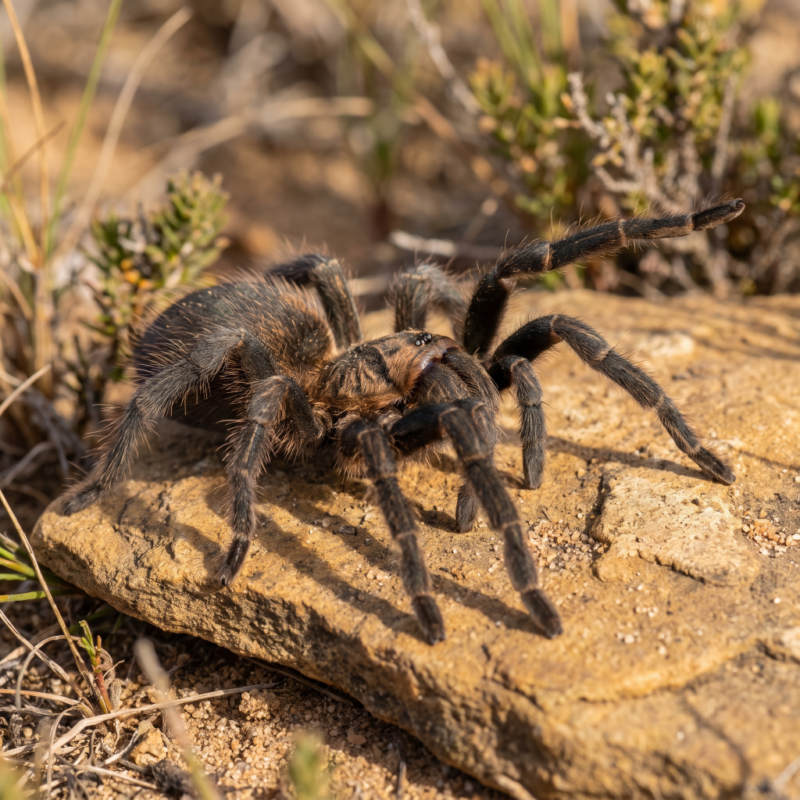
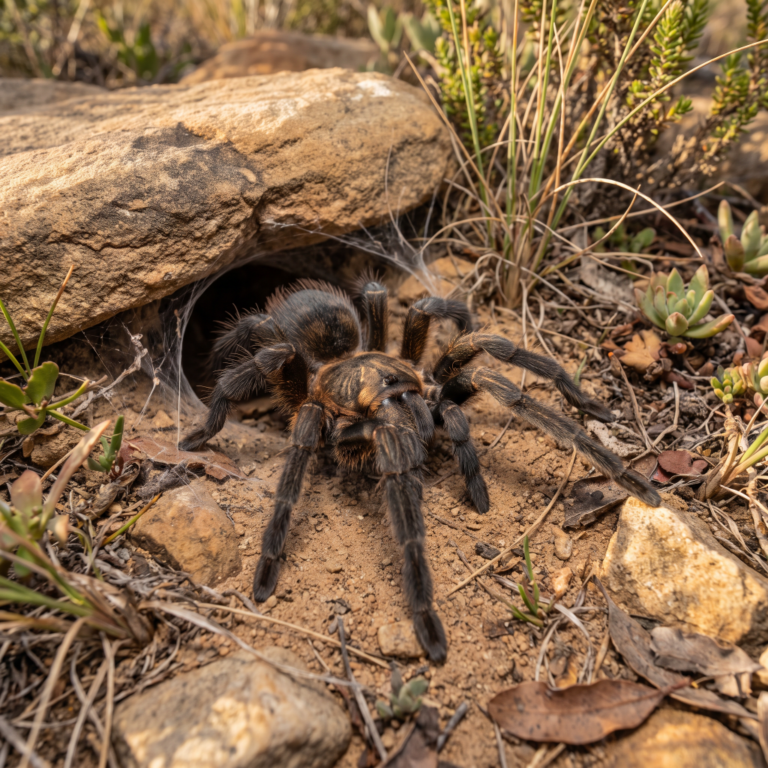
Harpactira cafreriana, sometimes affectionately dubbed the 'Blue Foot Baboon,' hails from the sun-drenched grasslands and scrub territories of South Africa’s Eastern Cape region. In the wild, these vibrant tarantulas make themselves at home in arid to semi-arid environments, taking advantage of naturally crumbly soils for burrowing. Rainfall here is spotty, so they’re well-suited to spells of dryness punctuated by brief humidity spikes. Temperatures fluctuate between warm days and mild nights. Their habitats offer ground leaf litter, rocks, and root systems – perfect for building snug retreats. These conditions have shaped H. cafreriana into hardy, adaptable spiders that cope admirably well in the typical British invert den (even if yours is colder than a crumpet left out in January).
Adult Size
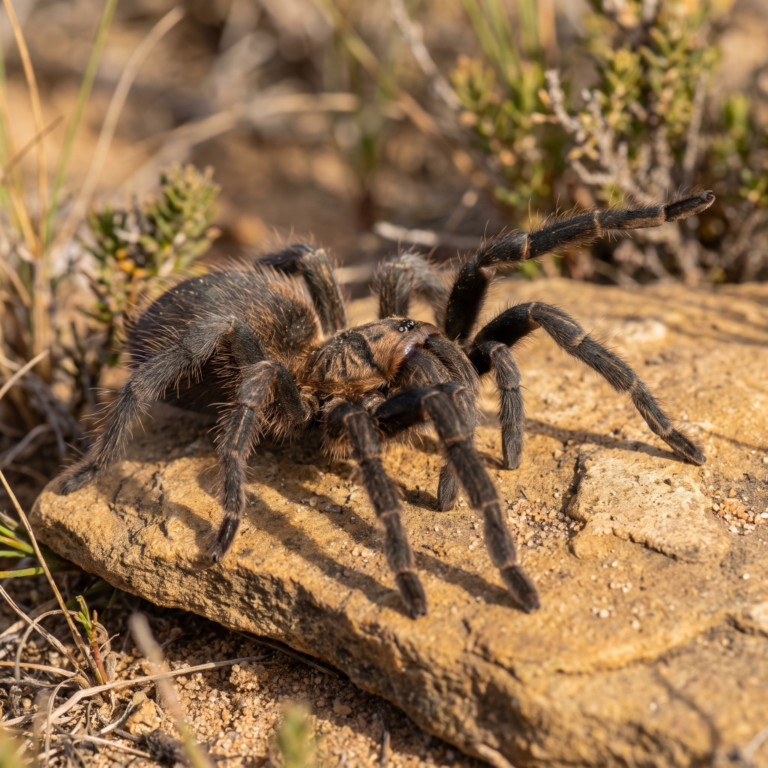
Adult H. cafreriana usually reach a leg span of 8–11cm, with the girls growing a bit bigger and stockier than the boys (as is tarantula tradition). Mature females can look impressively chunky, showing off subtle blue hues on their legs, while the blokes are a touch leggier and more slender as they hit adulthood—and, sadly, don’t hang around nearly as long. If you’re after something 'medium-sized' that still packs a punch in the looks department, this species ticks the boxes.
Lifestyle
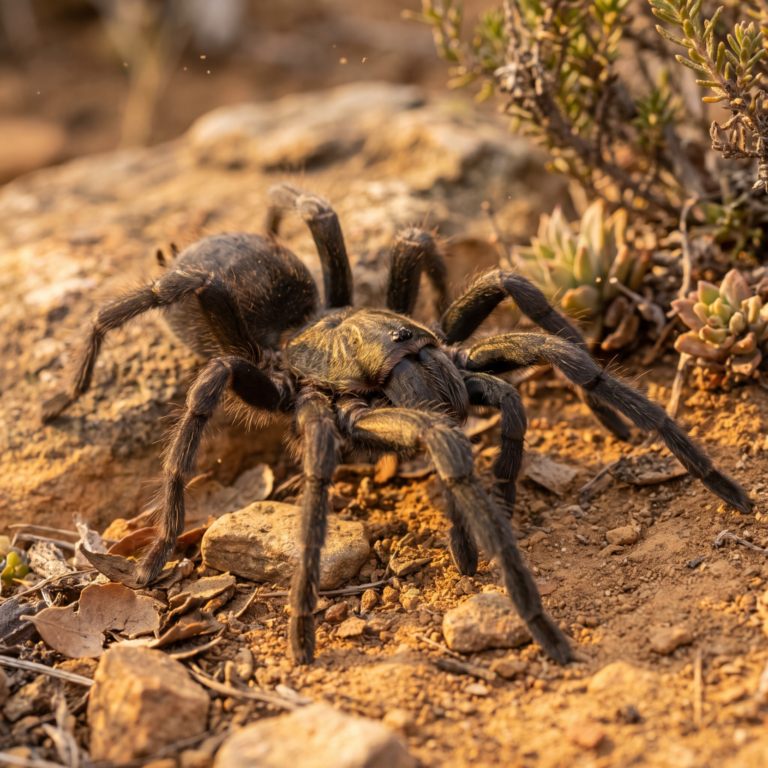
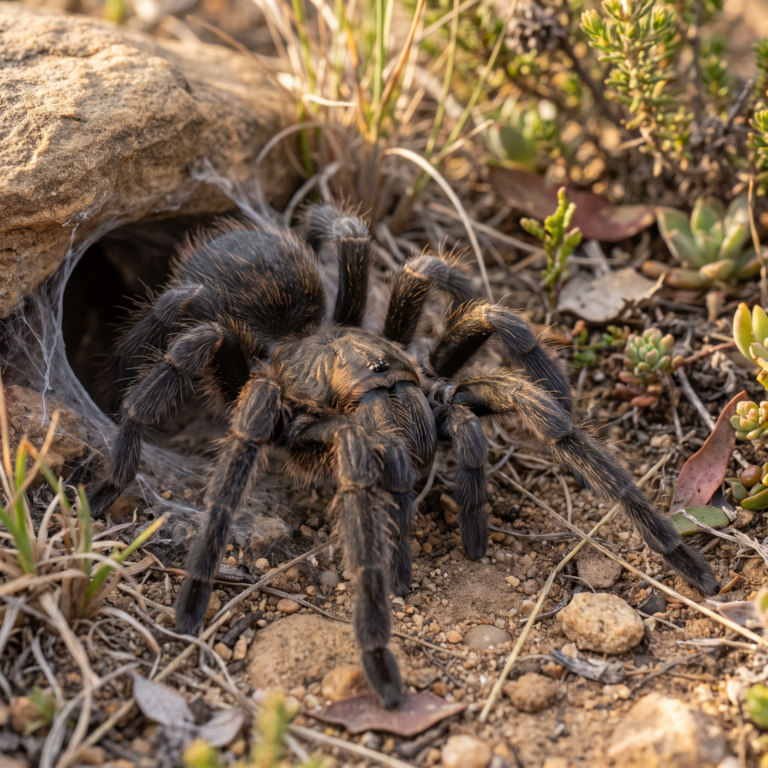
This species is solidly terrestrial, preferring to stay grounded but often making the most of burrowing opportunities. Given the right substrate, H. cafreriana is prolific at digging and will loyally expand its burrow, occasionally rearranging furniture to your amusement (or bemusement!). In captivity, slings and juveniles are especially prone to hiding, while adults tend to display more confidence—frequently sitting at the mouth of their burrows to watch the world with eight unblinking eyes. While you won’t find them abseiling from the ceiling, you’ll be surprised by their love of webbing and interior design.
Lifespan
Female Harpactira cafreriana can live a glorious 10–12 years in captivity if kept well, making them a long-term roommate (assuming you like sharing house with spiders). Males, as is so often the case, get the short end of the stick, typically managing just 3–4 years before maturity and then living only a few months post-mature moult. Still, plenty of time for a wild party. With reasonable care, both sexes mature healthily—though be prepared for the girls to outlast most of your other inverts!
Growth Rate
H. cafreriana grows at what’s best described as a 'brisk stroll'—faster than some of the true plodders, but certainly not in the Usain Bolt league. Slings often take a couple of years to reach juvenile size, but with regular feeding and temps on the higher end, you’ll soon see a decent bit of progress. Don’t be shocked if there are sudden growth spurts after a good moult and a hearty meal. Patience yields beautiful, healthy adults.
Temperament
Harpactira cafreriana has a reputation for being one of the calmer African terrestrials. Most individuals are content to stay put, giving you the look of disdain only a tarantula can muster if disturbed. However, don’t get cocky—unexpected movements or redecoration attempts may be met with a hasty dash into their burrow. They’re not generally defensive but can be speedy if properly provoked. Admire their swagger from the glass; they’ll appreciate it as much as you.
Temperature
Aim to keep your enclosure at a comfortable 21–25°C, which mirrors their natural climate. Nighttime dips down to 18–20°C are perfectly safe and may even encourage natural behaviour, but try not to let it get too chilly for prolonged spells. Most British living rooms hit these temps with ease, but if your setup’s in a draughty shed or fancy invert room, a low-power heat mat on the side (never underneath!) can help. Always use thermostats, and remember: tarantulas would rather a bit too cool than a bit too warm.
Humidity
Shoot for a moderate humidity level of 50–65%. This is easily achieved with a slightly damp but never soggy substrate—think 'just rained on the allotment,' not 'swampy garden.' A small water dish is essential; even if you never see them drink, it’s always appreciated. Good airflow is crucial to stave off mould; several holes or vents will do the trick. For slings, a little more humidity isn’t a bad call, but always err on the side of drier and well-ventilated—these spiders are much tougher than they look!
Visibility
Notorious interior decorators, H. cafreriana spends plenty of time peeking out of their burrow, even during the day, giving you ample chances to show off their stunning blue highlights. They’re not quite 'pet rock' level invisible, nor are they out strutting all day long, but with patience and the right setup, you’ll enjoy regular sightings, especially after dusk. Watch for late-night activity—feeding time can turn the shyest individual into a bold hunter!
Webbing
Despite being terrestrial, these spiders appreciate a good bit of webbing! They’ll seal the mouth of their burrows or fortify their chosen hiding spot with swathes of silk—great to witness and useful for keeping humidity pockets stable. Don’t expect hammock-level suspension, but their creative web curtains are lovely for observing natural behaviour. Be careful lifting hides or décor, as silk can be a subtle clue that someone’s home and not pleased about visitors.
Feeding
Start slings off with pre-killed or freshly moulted pinhead crickets, fruit flies or tiny roaches—offering food once or twice weekly. As they grow, bump up to small crickets, mealworms and dubia roach nymphs, every 7–10 days. Adults will relish a plump cricket or roach weekly, adjusting frequency if you see uneaten prey lingering (they hate leftovers). Avoid overfeeding—nobody wants an obese tarantula! H. cafreriana has an enthusiastic feeding response and often snatches prey with flair, but don’t panic if they fast pre-moult or ignore food now and again. Remove uneaten prey within 24 hours to prevent stress or injury, especially after moulting. A varied diet and restraint on portions keep them vibrant and healthy.
Enclosure Recommendations
Choose a well-ventilated plastic or glass enclosure; 30x30x30cm is more than enough for an adult. Provide 10–15cm of slightly moist (but never wet) substrate to enable robust burrowing—coco fibre or a mix with topsoil works a treat. A cork bark slab or half-log acts as a starter burrow, and leaf litter ups the naturalistic feel. Include a shallow water dish, and keep ventilation punchy with side or top vents. Avoid cluttering the enclosure with too many hides; these spiders like some open digging real estate. For slings, start in small containers with less depth but still allow for some burrowing. Lighting isn’t required (they’re more 'cosy den' than 'sunbathing at Brighton'), and always position the enclosure out of direct sunlight.
Experience Level
While this species is much more forgiving than some African cousins, it’s best described as suitable for intermediate keepers or patient, research-savvy beginners. They don’t demand anything extreme in husbandry, but their speed and defensiveness (albeit mild) mean a little experience goes a long way. If you’ve conquered a few New Worlds and fancy a step up—without leaping to a teleporting baboon spider—H. cafreriana makes for a logical next adventure.
Final Thoughts
H. cafreriana is a delightful, eye-catching species with manageable care that rewards patience and observation. Their flashes of blue, quirky webbing and amusing burrow antics will charm even seasoned keepers. They strike a lovely balance—more visible than some African terrestrials, yet not so reclusive you’ll forget you have them. The key challenges: avoid overwatering and anticipate bursts of speed. You’ll be treated to regular peeks as they watch you, leaving you wondering who’s keeping who. If you’re after a ground-dweller with enough personality to keep things interesting and enough resilience to forgive a few beginner mistakes, the Blue Foot Baboon might become your new favourite eight-legged flatmate.
Gallery
Community Species Gallery
Approved photos submitted by registered Spoodoire users.
No community images have been approved for this species yet.
Submit Your Photo
Log in to submit a photo for this species.
Available at The Spoodoire
Products linked to this species care guide.