

Species Care Guide
Brachypelma smithi
Mexican red-knee tarantula
Also known as: Mexican red knee, Mexican redknee
Last updated: July 4, 2026
Buy this species
Origin
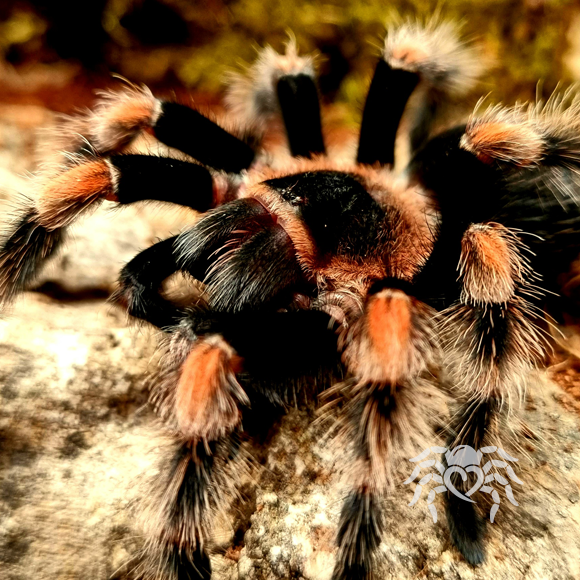
Brachypelma smithi, also known as the Mexican Red Knee, hails from the arid scrublands and dry thorn forests along the Pacific coastal regions of Mexico. Their native range includes the states of Guerrero and Michoacán, where they typically inhabit areas with loose, sandy soil and scattered vegetation. In the wild, these tarantulas dig burrows at the base of shrubs, rocks, or roots for protection from predators and the blazing heat. Their natural environment experiences warm daytime temperatures, cooler nights, and seasonal rainfall. It’s not exactly luxury accommodation, but these spiders seem perfectly content with their minimalist desert décor.
Adult Size
Adults typically reach a diagonal leg span of 13–15 cm, though some particularly well-fed ladies might flirt with 16 cm. Males tend to be a bit more slender and leggier, while the females are broader and chunkier—a classic case of 'girl power.' Growth is slow and steady, with males reaching maturity faster (but paying for it with shorter lifespans). This is a large, impressive species that ages into its full splendour, especially with a bit of patience from the keeper.
Lifestyle
Brachypelma smithi is a true terrestrial tarantula and quite the little homebody. In captivity, you’ll find them spending most of their time either lounging out in the open or tucked into their hide, pondering life’s great mysteries (or perhaps just ignoring you). They may do a bit of burrowing if the substrate allows, especially as juveniles. While not much of a climber, this species appreciates having a snug hide and plenty of floor space. Don’t expect acrobatics—they’re far more likely to stroll majestically than scurry off in a panic.
Lifespan
Females are the Methuselahs of the tarantula world, often living 20–25 years in captivity with good care. Males, unfortunately, draw the short straw, usually only lasting 5–6 years and typically dying within a year or two of maturity. It’s a bit like the spider version of a tragic romance novel—enjoy your time with your male while it lasts! With proper husbandry, these spiders can be long-term companions (especially the girls), making them a real commitment for any keeper.
Growth Rate
Brachypelma smithi is well known for its slow and steady growth rate—like a fine wine, it takes its time to mature. Expect spiderlings to spend several years working their way up to adulthood, especially if you’re not piling on the food. Warmer temperatures and regular, appropriate feeding can speed up moults a little, but don’t rush things; the slow pace builds anticipation. On the bright side, you’ll have plenty of time to savour every fuzzy knee along the way.
Temperament
If tarantulas were pets at Hogwarts, Brachypelma smithi would be the Hufflepuff—generally calm, slow-moving, and more inclined to flee than fight. That said, every spider is an individual, so don’t expect a cuddle bunny every day—some can be skittish or a tad grumpy, especially during pre-moult. In most cases, they’ll freeze or retreat rather than bolt or throw a tantrum. Overall, they’re a pleasure for those who like to watch rather than wrestle.
Temperature
Aim for a comfortable 21–26°C (that’s room temperature to a little toasty for us Brits). Consistency is your friend here; wild swings are best avoided. Most UK homes sit at around 20–22°C, which will suit them fine for most of the year, but if you’re prone to Arctic drafts, a gentle heat mat (on the side, never the bottom) may help. Never cook your spider—overheating is far more dangerous than a chilly spell. Always monitor with a trusted thermometer and avoid direct sunlight, which is a fast track to a crispy companion.
Humidity
Keep humidity around 50–65% RH—a light, gentle level, not a rainforest deluge. This is usually achieved with the right substrate (think coco fibre or topsoil, kept just barely damp on one side) and a good-sized water dish. Drenching the whole enclosure is unnecessary, and poor ventilation will encourage the dreaded mould (not a recommended décor trend). Let the top layer of substrate dry out a touch between moistening sessions, and always provide clean water. Good airflow is essential: stuffy, stagnant air is a no-no.
Visibility
This is a display species par excellence. While they enjoy a nice hide, B. smithi frequently sits out in the open, basking in their own colourful glory. Daytimes and evenings are when you’ll most likely spot them posing regally—or just sitting there stubbornly ignoring you. Burrowing is rare once they’re comfortable, so prepared to be treated to plenty of fuzzy-legged photo ops (just don’t expect a dance routine). Overall, they’re one of the least shy tarantulas available.
Webbing
While not architectural geniuses like some species, B. smithi does produce silk. Expect a light dusting around the hide entrance or water dish, rather than wild jungle vines. They use webbing as an alarm system, to anchor themselves for moults, and as the occasional trip hazard for crickets. Don’t be alarmed by the relatively tidy appearance—the subtle silk is still there, quietly doing its spiderly job.
Feeding
B. smithi isn’t what you’d call a voracious eater, but it’s not fussy, either. Typical prey includes crickets, mealworms, locusts, and the occasional roach. Slinglings (spiderlings) can be fed pinhead crickets or chopped mealworms twice a week, juveniles once every 7–10 days, and adults every 10–14 days. They often refuse food before moulting, so don’t panic if dinner is snubbed—just remove uneaten prey after 24 hours. Overfeeding is a common rookie error, so keep an eye on that plump abdomen; a chunky B. smithi is a happy spider, but too much of a good thing isn’t ideal! Aim for small, manageable meals and enjoy the occasionally dramatic feeding responses.
Enclosure Recommendations
Keep things simple and functional! Adult B. smithi thrive in a secure, well-ventilated terrestrial enclosure of around 30 x 30 x 30 cm. Slings and juveniles can be housed in smaller tubs or critter keepers. Substrate should be 5–10 cm deep (deeper for slings) to allow for the odd burrow attempt. Add a sturdy hide (cork bark is a favourite), a shallow water dish, and some artificial plants or leaf litter for aesthetics (and a touch of privacy). Check that all décor is spider-safe—no sharp edges or unstable rocks. Ventilation is key: proper cross-flow keeps humidity at the Goldilocks level. No need for climbing décor, as falls are risky. Low drama, low stress—the way B. smithi likes it.
Experience Level
Absolutely beginner-friendly, Brachypelma smithi is a dream come true for new keepers and still charms veterans. They’re forgiving of small errors, slow-growing so you can learn as you go, and unlikely to do anything alarming if you accidentally knock the enclosure. That said, proper care is always required—these guys still have basic needs, and you’ll want to avoid complacency. A perfect tarantula to cut your fangs on!
Final Thoughts
Brachypelma smithi is the tarantula equivalent of a classic car—timeless, reliable, and universally admired. They combine stunning colouration with a gentle disposition, making them a favourite among beginners and old hands alike. The slow growth and long lifespan (for females) means you’ll get years of enjoyment, and their willingness to display means you’ll actually see your pet more than its water dish. If you want a pet that’s beautiful, low-maintenance, and unlikely to cause a fright in the middle of the night, you really can’t go wrong. Just don’t expect them to help with the dusting, no matter how many legs they have!
Community Species Gallery
Approved photos submitted by registered Spoodoire users.
No community images have been approved for this species yet.
Submit Your Photo
Log in to submit a photo for this species.
Available at The Spoodoire
Products linked to this species care guide.