

Species Care Guide
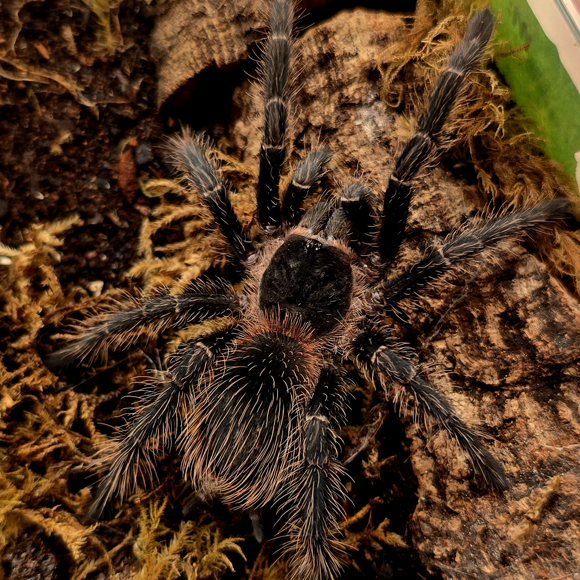
Lasiodora klugi
Bahia scarlet tarantula
Also known as: Brazilian scarlet, Bahia scarlet birdeater
Last updated: June 15, 2026
Buy this species
Origin
Lasiodora klugi hails from the lush, warm regions of eastern Brazil, a part of the world known for tropical forests peppered with savannah and grassland. This sprawling landscape offers plenty of leaf litter, soft soils and broken branches for these tarantulas to claim as their own. Out in the wild, they experience warm, somewhat humid conditions most of the year, with ample rainy spells and bursts of sunshine. Their natural habitat is typically closer to the ground, often underneath logs, rocks or tucked away in burrows they've either found or expanded. It’s a world teeming with bugs, which suits the ever-hungry klugi just fine.
Adult Size
These chunky beauties can reach an impressive 18–20 cm diagonal leg span, with females being notably larger and thicker set than the chaps. Males, dainty by comparison, often mature smaller and slimmer—a bit like switching from a rugby ball to a cricket bat! Growth to full size can take several years, but you’ll be left in awe by their sheer bulk and fluffy appearance. When fully grown, their robust frame and mahogany-tinged colouring make them a stunner in any collection.
Lifestyle
Firmly terrestrial, Lasiodora klugi aren’t keen tree climbers and they don’t go wild with deep digging either – they prefer to laze about on the surface, making use of pre-dug scrapes or shallow burrows if the mood takes them. In captivity, expect them to rearrange their décor a bit, and occasionally surprise you with a half-hearted attempt at redecorating their substrate, but mostly they’re creatures of the surface, strutting their impressive leg span about for all to see. They’re perfect for hobbyists who love a tarantula with a strong presence.
Lifespan
The ladies are the marathon runners here—female Lasiodora klugi can easily live 15 years or more when well cared for, making them a long-term addition to your collection. The gents, as ever with tarantulas, get the short straw: mature males rarely make it far past two or three years after their final moult. As with most species, optimal care, steady feeds, and avoiding unnecessary stress will see them living their best spidery life for years to come.
Growth Rate
Lasiodora klugi are known for their zippy growth, especially when compared to many other tarantulas. Given regular meals and warm temperatures, expect slings to quickly transform from tiny specks into leggy juveniles in just a couple of years. Their reputation for eating just about anything that moves really boosts their pace—sometimes you’ll swear they’re growing before your very eyes! Of course, cooler temperatures and longer fasting spells can slow things down, so keepers should adjust expectations accordingly.
Temperament
Lasiodora klugi has a reputation for boldness and a touch of drama—think of them as the soap actors of the tarantula world. Most settle for impressive threat postures and a short, sharp kick of those infamous urticating hairs when they’re feeling grumpy. Speed-wise, they’re no Olympic sprinters, but they can move swiftly enough to keep you on your toes during routine maintenance. Generally, they’re visible, confident spiders with a bit of attitude; not the best pick if you want a lap tarantula, but fascinating to watch in action.
Temperature
Aim to keep your Lasiodora klugi in a cosy range between 22 and 26°C. They’ll handle brief dips down to 20°C without a strop, but extended cold snaps aren’t advisable. If your spider room gets chilly, consider a thermostatically controlled heat mat attached to the side of the enclosure (not underneath), but never overheat them! Good ventilation is key to preventing stuffiness, so don’t be tempted to sacrifice airflow for warmth. This species appreciates steady warmth, but they won’t RSVP to your next BBQ if things get too toasty—avoid spiking above 28°C for extended periods.
Humidity
Keep humidity moderate at around 65–75% RH for best results. Achieve this with a slightly moist substrate (think damp, not swampy—your klugi isn’t growing rice). Mist one side of the enclosure occasionally, and always provide a clean, shallow water dish. In most British homes, the klugi tolerates a little variation, but don’t let things bone-dry or muggy. Decent cross-ventilation is your friend; it helps keep musty odours (and mould outbreaks) at bay while letting humidity hover where you want it. Watch for signs like prolonged staying near the water dish, which may indicate things are too dry.
Visibility
If you’re after a showstopper, look no further. Lasiodora klugi spends plenty of time out and about, both during the day and in the evening. They’re not shy about lounging in the open, especially once they’ve settled in. During pre-moult, you may see more hiding, but most of the time they’re happy to play centre stage in your display. New keepers in particular adore them for their size and confidence—just don’t expect much in the way of elegant web decorations!
Webbing
These spiders may dabble in a bit of webbing here and there, mostly around their hide or feeding spots, but don’t expect elaborate tunnels or frothy curtains. A light dusting on the substrate is their style, useful for alerting them to prey or letting you know which bit they’re calling home this week. If you’re after wild web works, look elsewhere—but if you appreciate a neat, mostly visible tarantula, you’re in luck.
Feeding
Lasiodora klugi has what can only be described as a legendary appetite. Slings will polish off appropriately sized crickets, fruit flies, or roach nymphs 2–3 times per week. As they grow past the leggy toddler stage, feeders can get bigger (medium-to-large crickets, dubia roaches, occasional locusts), with feeding reducing to once per week or so for juveniles, and every 7–14 days for adults. They rarely refuse a meal, but don’t go overboard—watch their abdomen size and skip a feeding if they look plump. Always offer pre-killed prey if you’re unsure about size, and never leave live food in after a refused meal or near moulting. Overfeeding can cause issues with sluggish behaviour and messy enclosures, while underfeeding slows that impressive growth. Enjoy their enthusiastic hunting (from the comfort of your side of the glass) and watch them balloon up after big feeds.
Enclosure Recommendations
Start with a sturdy, escape-proof enclosure with a minimum 50x40 cm footprint for adults—the bigger, the better for these behemoths. Lay down at least 10–15 cm of compactable substrate (coco fibre, topsoil or a mix), which gives them the option for shallow burrows if they so wish. Add a large hide (cork bark, half-log, or upcycled crockery), and ensure there’s always a fresh, shallow water dish—these spiders really do drink. Ventilation must be sufficient for healthy airflow without causing drafts. Heavy décor works well, as klugi can shift surprisingly hefty objects. Avoid vertical climbing surfaces; they're prone to falling. Regular cleaning, spot checks, and removing uneaten prey are part and parcel with such a big, active tarantula.
Experience Level
Lasiodora klugi is a marvellous choice for keepers with a bit of tarantula experience under their belt—think intermediate rather than outright beginner. Their size and food response can be intimidating, and defensive displays can rattle the unprepared. That said, their needs are straightforward, they rarely bolt unexpectedly, and their behaviour is easy to read. If you’ve kept a few terrestrials already and fancy a true display giant, the klugi is a fine step up.
Final Thoughts
Lasiodora klugi is the tarantula equivalent of an impressive Sunday roast: big, bold, and guaranteed to get your guests talking. Their imposing size, fearless display behaviour, and hearty appetite make them a staple of ‘must-see’ collections for a reason. Enjoy them for their reliability, visibility, and occasional comical defensive antics. Just steer clear if you’re not keen on urticating hairs or get the nervous jitters from a spider that acts like it owns the place (because it does). Provide for their basic needs, respect their boundaries, and you’ll have a charismatic eight-legged companion for many years.
Community Species Gallery
Approved photos submitted by registered Spoodoire users.
No community images have been approved for this species yet.
Submit Your Photo
Log in to submit a photo for this species.
Available at The Spoodoire
Products linked to this species care guide.