

Species Care Guide
Poecilotheria metallica
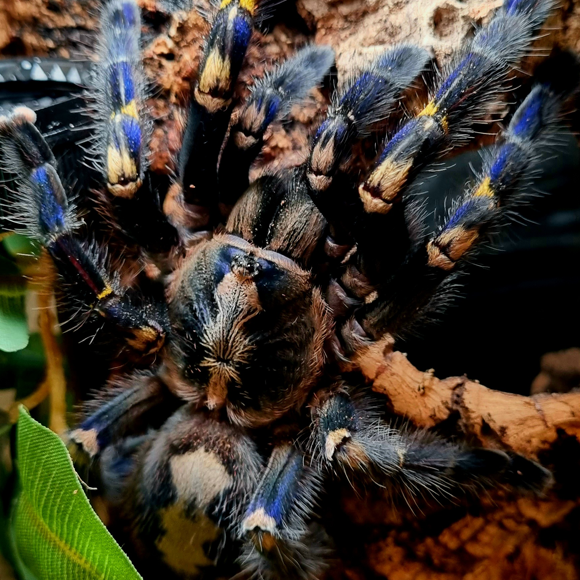
Gooty sapphire ornamental tarantula
Also known as: Gooty sapphire, peacock tarantula, metallic tarantula
Last updated: June 15, 2026
Buy this species
Origin
Poecilotheria metallica, affectionately known as the Gooty Sapphire Tarantula, hails from a very limited area in southern India, specifically around Andhra Pradesh. Its name refers to the historic railway town of Gooty, though the species isn’t actually found within the town itself—classic tarantula misdirection! The habitat is dry, deciduous forest with a warm climate, characterised by plenty of tree cover and monsoon-influenced humidity swings. In the wild, they typically inhabit tree hollows or crevices, using silk to create web retreats high above ground. Thanks to their striking blue colour and rarity in nature, spotting one in the wild is a bit like winning the spider lottery.
Adult Size
Adult Poecilotheria metallica can reach a diagonal leg span of 15 to 18 cm, which is enough to give you pause when you see their electric blue spread out on the glass! Females are both larger and stockier, with a more robust build. Males are noticeably leggier and often lighter in colour, but make up for it with their boundless enthusiasm for wandering. Growth is relatively quick compared to some other species; don’t be surprised if your awkwardly small sling turns into a leggy teenager in just a couple of years.
Lifestyle
This glittering gem is the poster child for arboreal tarantulas, living life up in the trees where gravity is more of a suggestion than a rule. In captivity, Poecilotheria metallica is happiest in a vertical enclosure with plenty of height to climb and crevices to fill with silken retreats. You’ll notice they spend most of their time against the enclosure sides or snuggled away in carefully constructed web tubes, only dashing out when it’s time for a midnight snack. They are generally very fast and agile, making vertical movement look effortless—giving them a definite spider-Ninja reputation.
Lifespan
Females of this species are the long-term relationship type, often living 12 to 15 years in captivity if well cared for. Males, on the other hand, tend to burn bright and fade fast, typically living only 3 to 5 years, with the majority of that time spent looking for love. A well-kept Gooty female can be your glittery blue companion for over a decade, while males are best appreciated for their fleeting, energetic presence. Proper care and a good diet will help maximise their potential lifespan.
Growth Rate
If you’re used to slow-growing giants, you’ll find Poecilotheria metallica refreshingly speedy. With good feeding and proper temperatures, slings and juveniles can reach adulthood in as little as 2 to 4 years. Growth rate is influenced heavily by food availability and warmth, so a well-fed sling in a comfy, warm home may moult every few months. Of course, they’ll slow down a bit as they near adulthood, but overall they strike a nice balance: quick enough to be exciting, slow enough to not give you whiplash.
Temperament
Despite their good looks, Poecilotheria metallica are not known for their gentle cuddles! They tend to be reclusive but extremely quick, generally preferring flight over fight. If startled, they can teleport across the enclosure before you’ve blinked. While they rarely display threat postures unprovoked, their speed and potent venom mean that all maintenance should be done with caution. As a keeper, expect surprise sprints and occasional intimidation tactics—but also, plenty of fascinating behaviour once they settle back into their webby hideout.
Temperature
Aim for 22–26°C for your sapphire stunner. These tarantulas can tolerate typical UK room temperatures—so you won’t need to turn your house into a rainforest. Nights can drop to around 19°C without issue, but avoid long periods below 18°C. If your spider room runs cold in winter, a gentle heat mat on the side (never underneath) or a space heater will do the trick; just make sure there’s no risk of overheating. Always use a thermometer to keep things safe and consistent—your Poeci will thank you with a happy display of dazzling blues.
Humidity
Keep humidity around 65–75% RH, which you can achieve by ensuring the substrate stays lightly damp (not soggy!) and providing a good-sized water dish. Avoid overdoing it—this isn’t a bog dweller. Allow for regular drying out between light mistings, and focus on excellent cross-ventilation to prevent stagnant air. The species benefits from a balance of moisture and airflow; stuffy conditions are a no-go. You’ll find their webbing thrives with the right mix, and a hydrated Poecilotheria is a happy one—even if she pretends not to care.
Visibility
You’ll see your P. metallica most around dusk and dawn. They love to lurk in their web-tubes by day, but often venture out under low light to stretch their legs or wait for passing crickets. With clever enclosure design (and maybe a strategically placed hide), you can encourage them to sit in plain view. While not the boldest showcase tarantula, that flash of electric blue when they do make an appearance will be the highlight of any spider room. Just don’t expect them to pose for selfies!
Webbing
Poecilotheria metallica isn’t a heavy webber like some terrestrial species, but still produces enough to create striking silken retreats in cork bark tubes, behind hides, and sometimes as aerial hammocks. Their webbing serves as both a security system and a comfortable lounge, allowing the spider to judge when it’s safe to emerge or if dinner has arrived. Web structure also gives you clues about their wellbeing – a busy webber is a happy spider. Expect delicate, architectural designs rather than dense ‘spider blankets’.
Feeding
Young slings should be fed pinhead crickets or fruit flies 2–3 times a week. Juveniles move up to small crickets, roaches, or locusts once or twice weekly, and adults thrive on appropriately sized crickets, dubia roaches, or the odd locust every 7–10 days. Watch for uneaten prey—never leave live food in during pre-moult, as this can stress or injure your spider. This species usually has a healthy feeding response; you’ll know feeding time by the speed and enthusiasm of their attack. Overfeeding is tempting, but keepers should avoid bulking up their metallica too quickly, as this can shorten lifespan and cause moulting issues. As always, provide fresh water and remove uneaten food after 24 hours.
Enclosure Recommendations
Go for a tall, well-ventilated enclosure—think 30–45 cm tall for adults, with more height than floor space. Cross-ventilation is vital to prevent stale conditions. Offer a thick layer (5–7 cm) of coco fibre or soil-based substrate to help regulate humidity, though don’t expect much digging. Provide upright cork bark tubes or plastic pipes as main hides; horizontal logs are less appealing for this tree-dweller. A secure lid is a must—these beauties are escape artists on a mission. Add a shallow water dish and some fake foliage for seclusion and climbing, and you’ve made a 5-star spider treehouse. Clean regularly and avoid unnecessary disturbance for a stress-free, dazzling display.
Experience Level
This species is best suited for intermediate to advanced keepers. Their speed, climbing prowess, and skittishness mean they’re not ideal for newcomers. If you’ve cut your teeth on less demanding arboreal or terrestrial species, you’ll appreciate the challenge and reward of keeping a Gooty Sapphire. Beginners can certainly aspire to keeping one, but should consider gaining experience with more forgiving species first so everyone—spider included—can remain happy and stress-free.
Final Thoughts
Poecilotheria metallica is the jewel in any serious tarantula keeper’s crown—bold, beautiful, and oozing with ‘wow’ factor. Their cunning use of web retreats, speedy dashes, and sporadic appearances make them fascinating (if sometimes exasperating) inhabitants. They do present a challenge: skittish, lightning-fast, and not at all cuddly, but those prepared will find their quirks hugely rewarding. Not for beginners or the faint of heart, they reward cautious, attentive keepers with dazzling displays of blue and personality to match. Whether admiring them behind glass or marvelling at a fresh moult, this species is a true showstopper—just mind your fingers and enjoy the view!
Community Species Gallery
Approved photos submitted by registered Spoodoire users.
No community images have been approved for this species yet.
Submit Your Photo
Log in to submit a photo for this species.
Available at The Spoodoire
Products linked to this species care guide.